Simplify your path to regulatory approval

Life Science Regulatory Reporting Automation

Simplify your path to regulatory approval

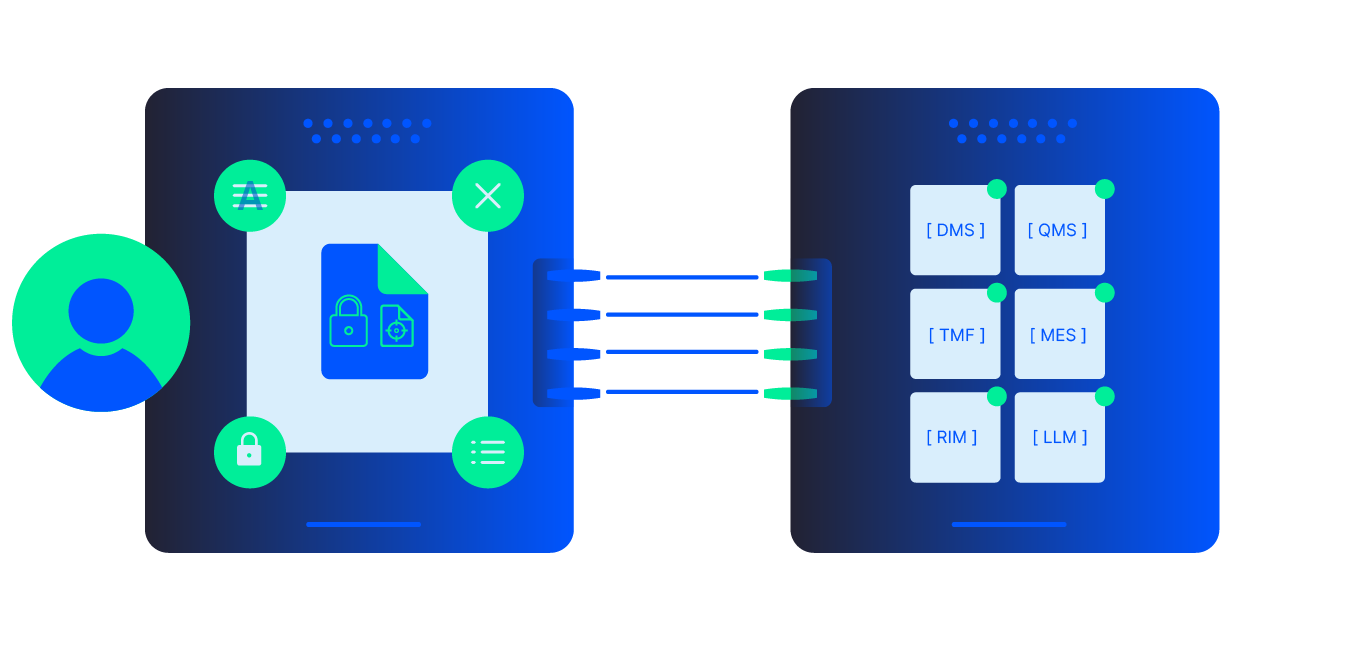
Adlib standardizes and merges large dossiers, runs automated PDF and formatting checks, and assembles submission-ready packages that integrate with RIM and QMS, helping you cut preparation time by ~50% and reduce rejection and rework risk.

Talk to Sales

Our process, your benefit

Every step in Adlibʼs workflow is designed to deliver accuracy, compliance, and enterprise-ready data—ensuring your most critical documents become precise,auditable, and AI-ready.

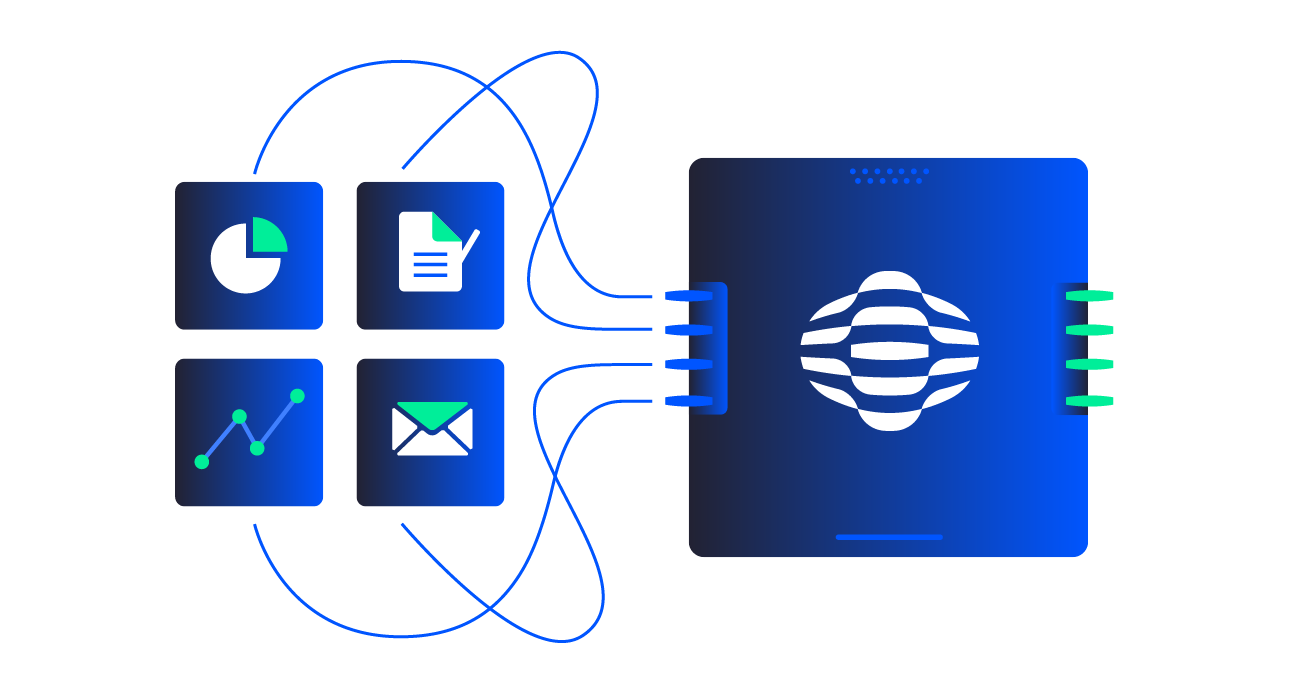
Efficient regulatory document collection

Every step in Adlibʼs workflow is designed to deliver accuracy, compliance, and enterprise-ready data—ensuring your most critical documents become precise,auditable, and AI-ready.

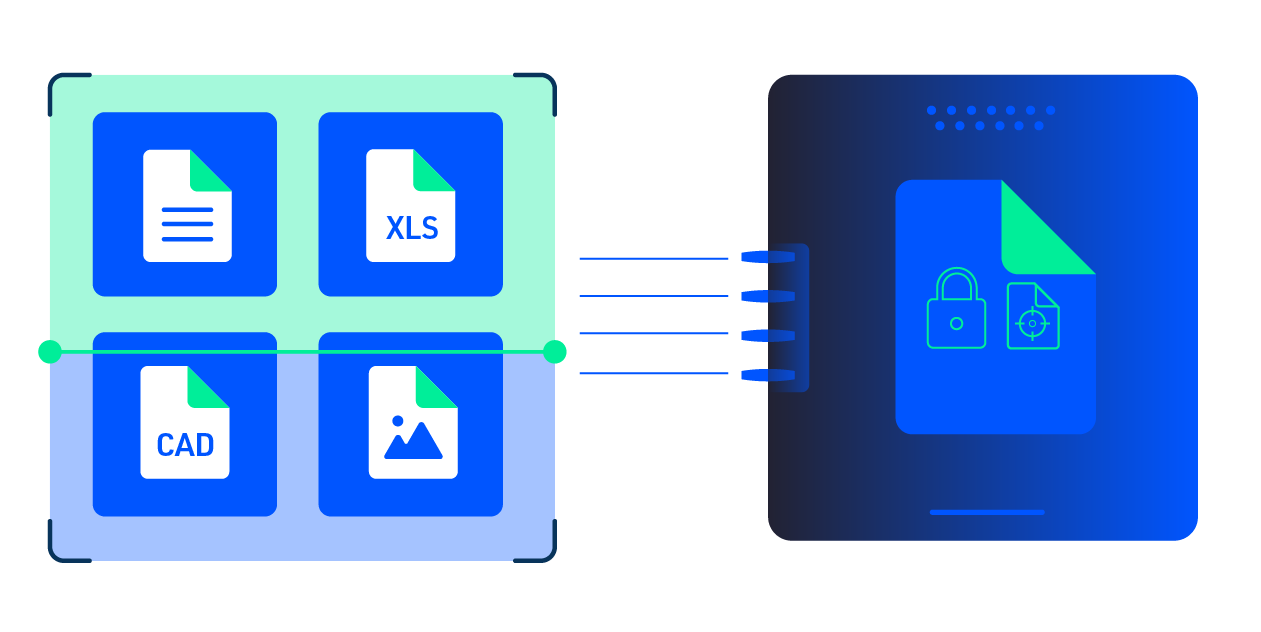
Standardized, submission-ready documents

Every step in Adlibʼs workflow is designed to deliver accuracy, compliance, and enterprise-ready data—ensuring your most critical documents become precise,auditable, and AI-ready.

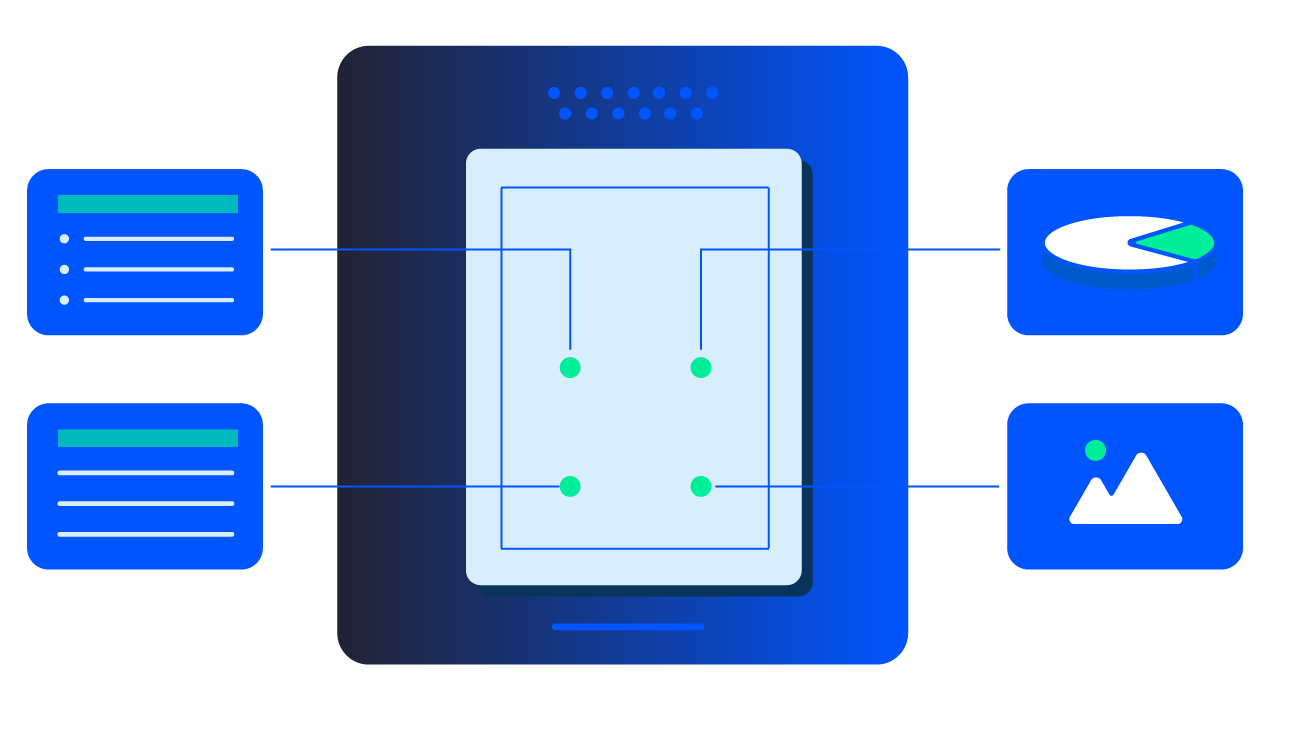
Strategic regulatory data extraction

Every step in Adlibʼs workflow is designed to deliver accuracy, compliance, and enterprise-ready data—ensuring your most critical documents become precise,auditable, and AI-ready.

Regulatory submission readiness

Every step in Adlibʼs workflow is designed to deliver accuracy, compliance, and enterprise-ready data—ensuring your most critical documents become precise,auditable, and AI-ready.

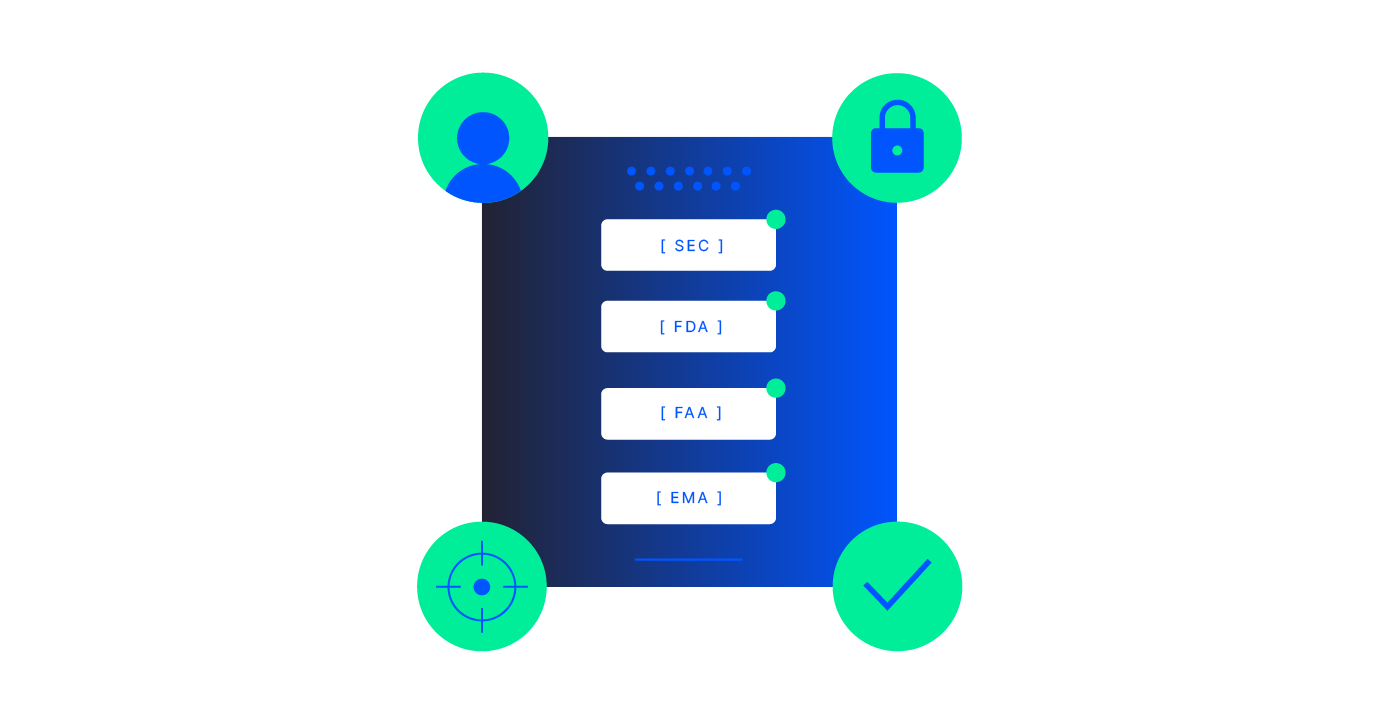
Submission compliance check

Every step in Adlibʼs workflow is designed to deliver accuracy, compliance, and enterprise-ready data—ensuring your most critical documents become precise,auditable, and AI-ready.

Streamlined regulatory submission process
Cross-System Automation

Cross-System Automation & Interoperability

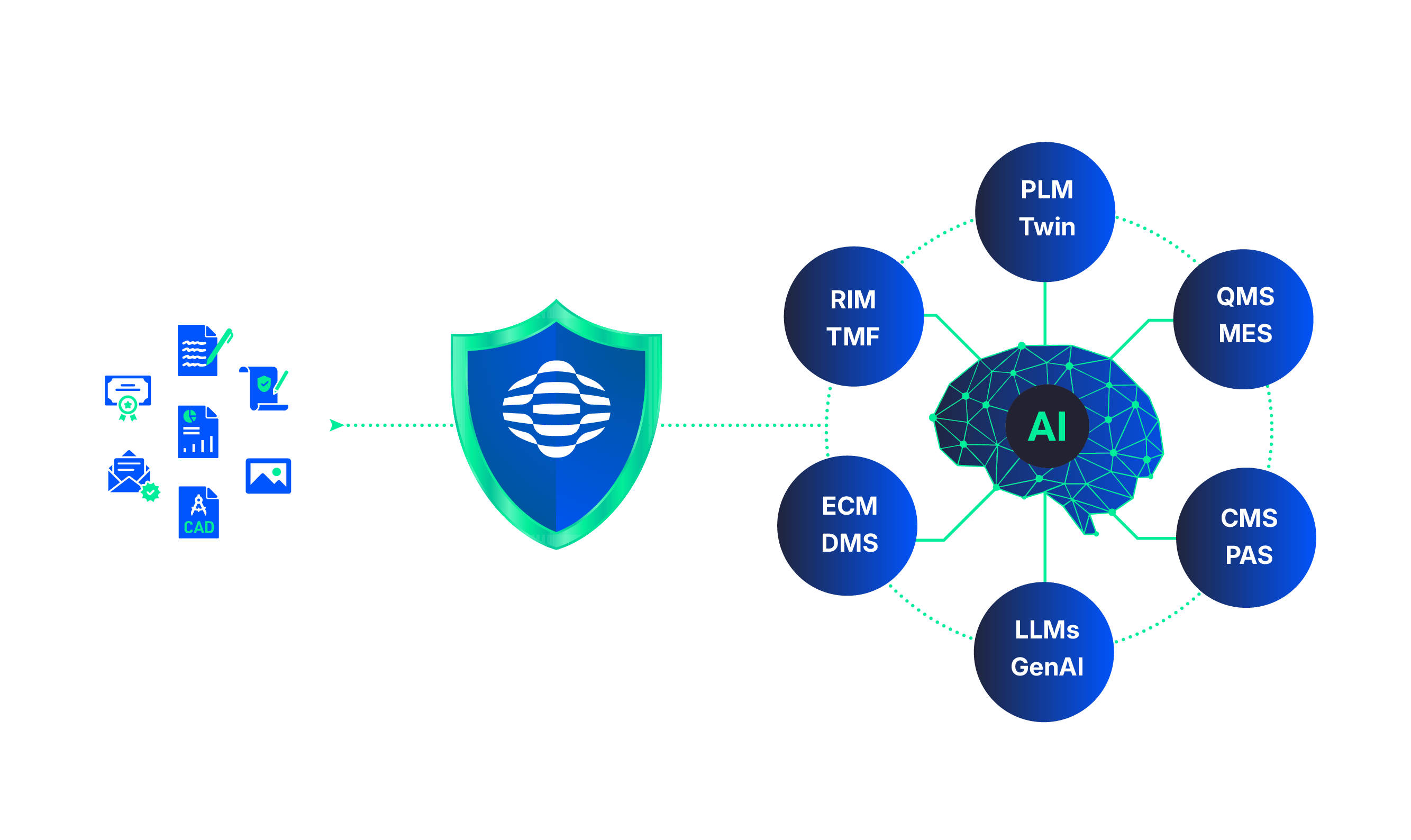
Adlib connects to every system where unstructured data originates, including ECM/DMS, email, shared drives, line-of-business applications, and legacy repositories. It reads and standardizes content from any source, in any format, then scores and validates each document against your business rules with Adlib's Trust Score before handing it off. That validated, defensible output is what feeds the AI-enabled workflow orchestrators and automation systems running downstream, and it's why straight-through-processing rates go up: the systems doing the automating are finally working from data they don't have to double-check.

Whatever system the data comes from, and whatever system acts on it, Adlib sits in between. The Accuracy & Trust layer every workflow can rely on.

Talk to Sales
Ebook

AI in Life Sciences: A Practical Guide for Regulated Enterprises | Adlib

Download Adlib's free guide to AI in life sciences. Learn why AI programs stall in regulated industries, how to build a defensible AI architecture, and what your team needs to know before your next submission.

Read the Report
Ebook

Making FDA Correspondence Ready for AI Agents

Combine life-sciences-native, agentic intake with an Accuracy & Trust Layer to make regulatory correspondence automation fast, compliant, and inspection-ready.

Read the Report
Ebook

Fueling Smarter Launches with Veeva + Adlib: Veeva is the platform. Adlib is the engine.

Standardize, validate, and scale your regulated content so Veeva delivers faster submissions, cleaner audits, and AI you can trust.

Read the Report

Frequently asked questions

Can Adlib handle large, multi-hundred-page submission dossiers?

Yes, large document stitching and object separation in pre-processing let Adlib assemble and validate dossiers that run hundreds of pages without losing structure or accuracy across modules.

Does Adlib support submissions to multiple health authorities (FDA, EMA, others)?

Yes, Adlib standardizes and validates content once, then applies the region-specific technical rules each health authority requires, so a single source dossier can support FDA, EMA, and other submissions without rebuilding it for each one.

How does Adlib help reduce refuse-to-file and technical rejection risk?

Most refusals-to-file and technical rejections trace back to formatting, such as broken links, inconsistent pagination, missing bookmarks, not content. Adlib validates every document against submission-technical requirements before it reaches your publishing step, catching those issues upstream instead of after a health authority flags them.

What does Adlib actually do in an eCTD or regulatory submission workflow?

Adlib runs pre-flight checks (PDF/A conformance, hyperlinks, bookmarks, page and font rules) auto-merges and standardizes large multi-module dossiers, and finalizes outputs with the correct watermarks and signatures in a single pass, so what feeds your RIM system and your eCTD publishing tool is already technically compliant.

Where does Adlib fit in our submission workflow: before or after RIM?

Adlib sits between document creation/RIM assembly and final publishing, running pre-flight technical checks, merging and standardizing modules, and finalizing outputs before they go to your eCTD publishing tool or CRO/publishing partner, so what reaches that final step is already compliant.