Insurance Claims Document Process Automation

Accelerate claims processing for peak satisfaction

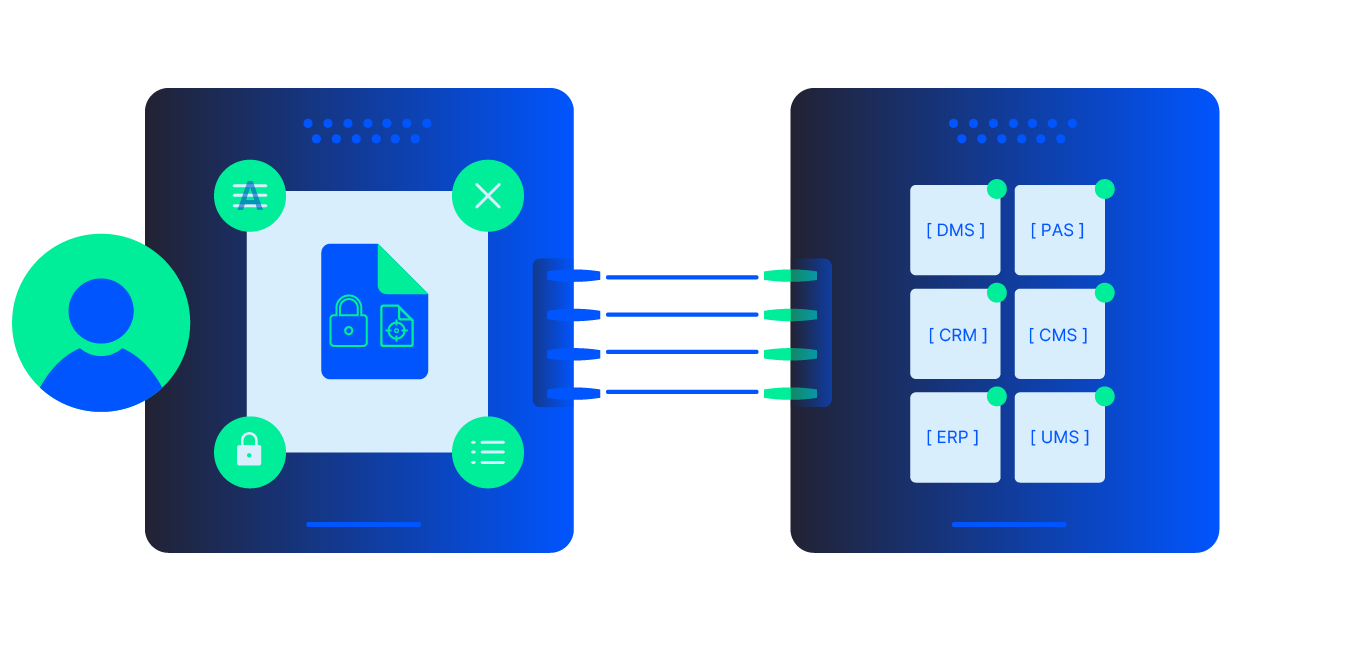
Adlib's agentic intake accelerates claims intake and assessment by converting messy, multi-source claim packs into standardized, audit-ready documentation and structured data. Insurers reduce cost per claim, cut processing time, and improve accuracy across complex claims ecosystems.

Talk to Sales

Our process, your benefit

Every step in Adlibʼs workflow is designed to deliver accuracy, compliance, and enterprise-ready data—ensuring your most critical documents become precise,auditable, and AI-ready.

Streamlined claims intake

Every step in Adlibʼs workflow is designed to deliver accuracy, compliance, and enterprise-ready data—ensuring your most critical documents become precise,auditable, and AI-ready.

Claims document standardization

Every step in Adlibʼs workflow is designed to deliver accuracy, compliance, and enterprise-ready data—ensuring your most critical documents become precise,auditable, and AI-ready.

Precise claims data extraction

Every step in Adlibʼs workflow is designed to deliver accuracy, compliance, and enterprise-ready data—ensuring your most critical documents become precise,auditable, and AI-ready.

Claims documentation organization

Every step in Adlibʼs workflow is designed to deliver accuracy, compliance, and enterprise-ready data—ensuring your most critical documents become precise,auditable, and AI-ready.

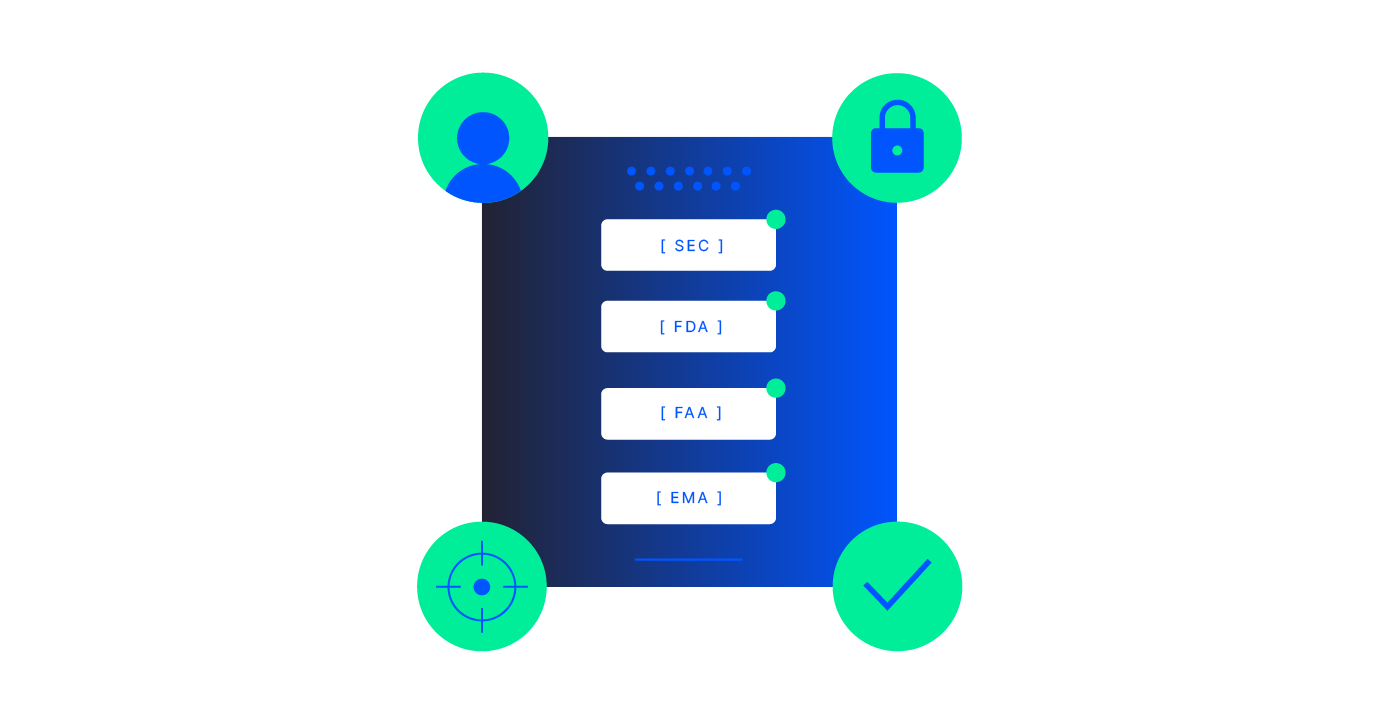
Claims compliance & accuracy check

Every step in Adlibʼs workflow is designed to deliver accuracy, compliance, and enterprise-ready data—ensuring your most critical documents become precise,auditable, and AI-ready.

Efficient, compliant claims resolution
Cross-System Automation

Cross-System Automation & Interoperability

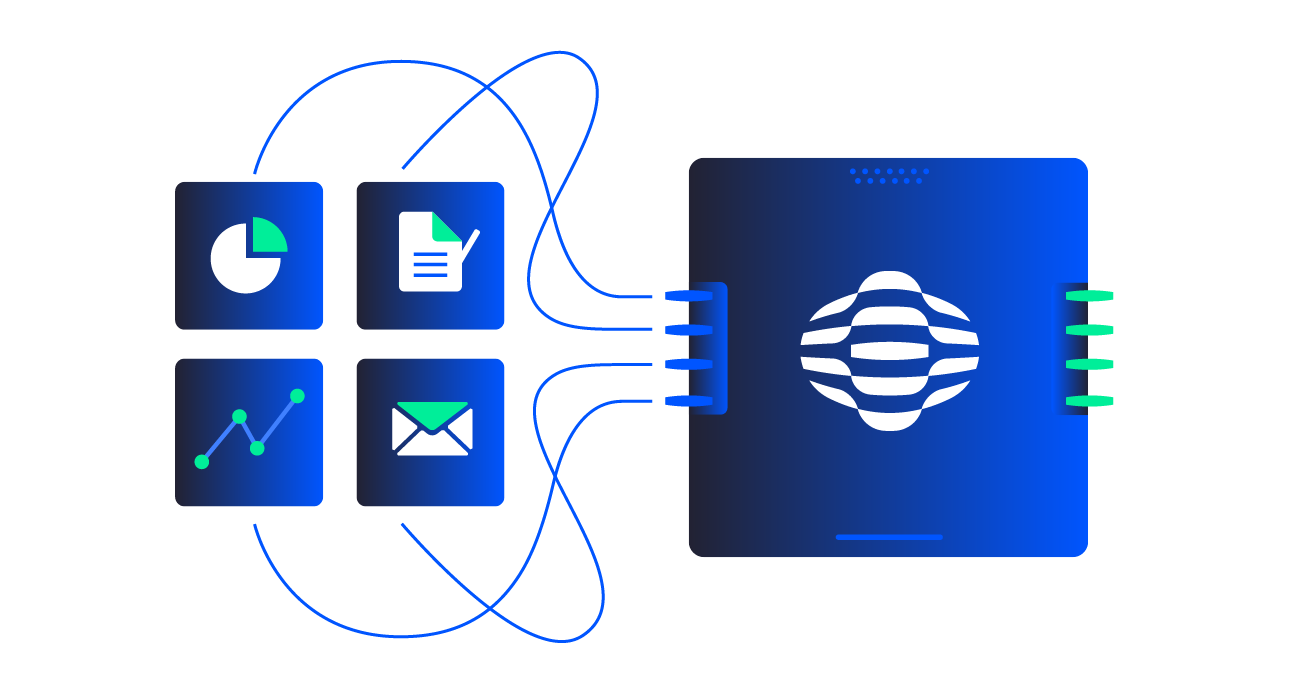
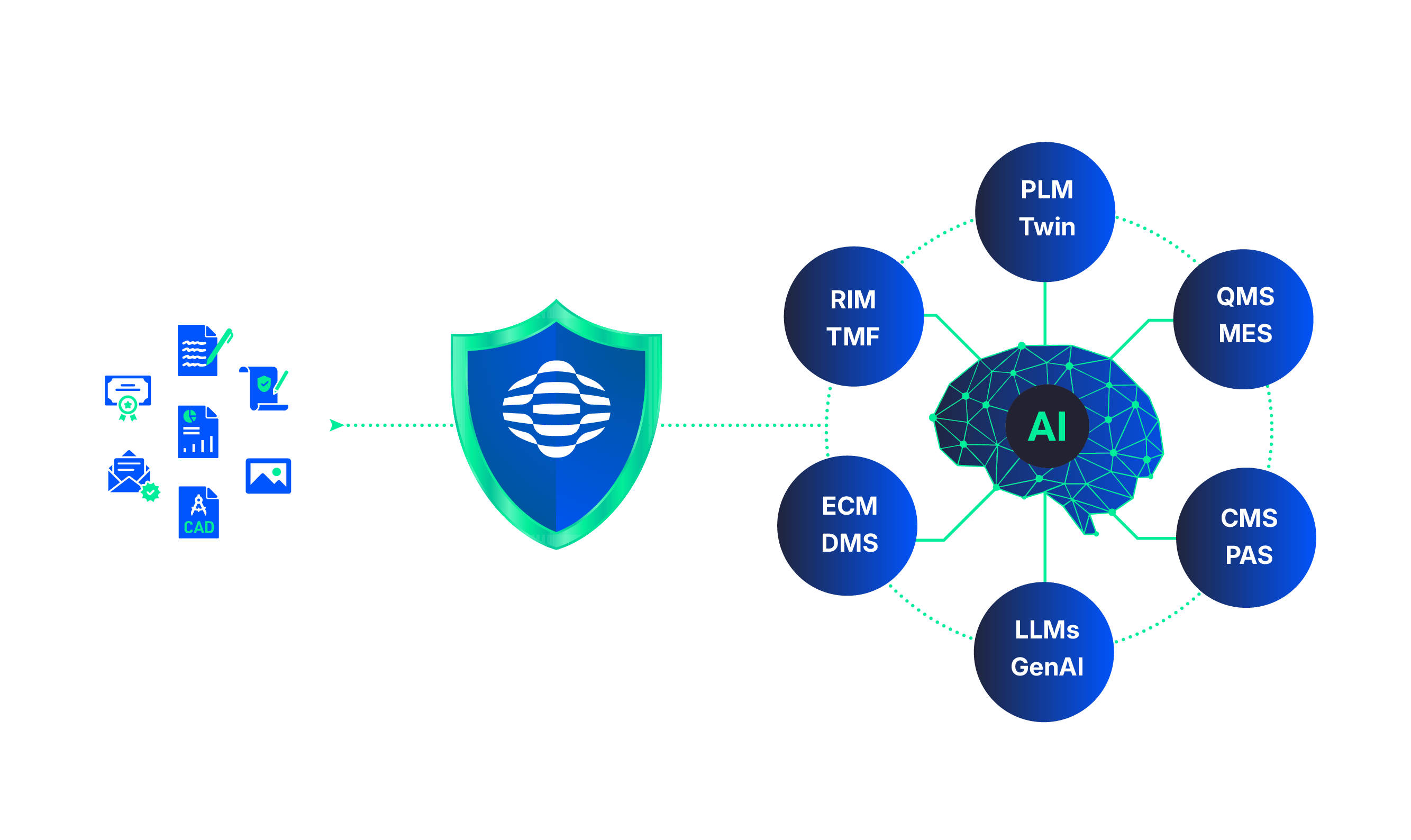
Adlib connects to every system where unstructured data originates, including ECM/DMS, email, shared drives, line-of-business applications, and legacy repositories. It reads and standardizes content from any source, in any format, then scores and validates each document against your business rules with Adlib's Trust Score before handing it off. That validated, defensible output is what feeds the AI-enabled workflow orchestrators and automation systems running downstream, and it's why straight-through-processing rates go up: the systems doing the automating are finally working from data they don't have to double-check.

Whatever system the data comes from, and whatever system acts on it, Adlib sits in between. The Accuracy & Trust layer every workflow can rely on.
Talk to Sales
Ebook

Making Claims Ready for AI Agents

How insurers can turn messy claim documents into trusted, AI-ready data, so automation actually works.

Read the Report
Ebook

Executive Playbook: Audit-Ready GenAI for Insurers

Turn unstructured insurance content into AI-ready, audit-ready pipelines that boost accuracy, STP, and compliance confidence.

Read the Report
Ebook

Beyond The Model: Models are not the bottleneck. Documents are.

An executive guide to the architectural shift that determines whether your AI program reaches production, or quietly stalls between the demo and the audit.

Read the Report

Frequently asked questions

Does claims intake and validation help with fraud detection?

Not directly. Adlib doesn't run fraud models itself. What it does is make sure your fraud and risk systems are working from clean, validated, structured data instead of messy source documents, which is usually where fraud-detection accuracy actually breaks down.

How fast is claims intake and validation: real time, batch, or somewhere in between?

Adlib's intake runs continuously rather than on a batch schedule. Dcuments are classified, validated, and routed as they arrive, so a claim pack doesn't sit in a queue waiting for the next processing window.

What channels does claims intake cover: email, portal, fax?

Adlib's claims intake is built around the shared inboxes and multi-source document channels where claim packs actually arrive, including email attachments, scanned uploads, and portal submissions in whatever mix of formats a claim comes in.

What happens to a claim once intake and validation are complete?

The validated claim package is delivered into your claims management system, such as Guidewire, Duck Creek, OneShield, or Majesco, as structured, audit-ready data your adjusters or AI models can act on immediately, with no separate export or re-entry step.

What happens when a document fails validation?

It doesn't get silently pushed through. Documents that fail a business rule or come back with a low-confidence read are routed for human review rather than auto-approved, so exceptions get caught before they reach an adjuster or a downstream system.

What is claims intake and validation, and how is it different from basic OCR or document capture?

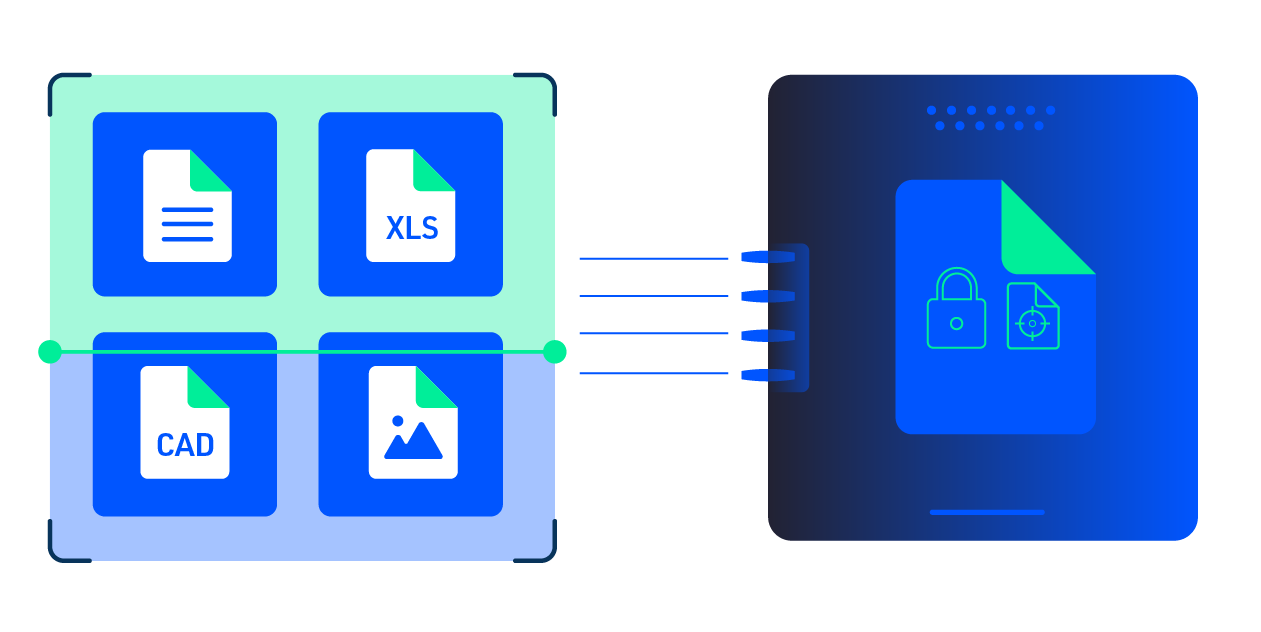
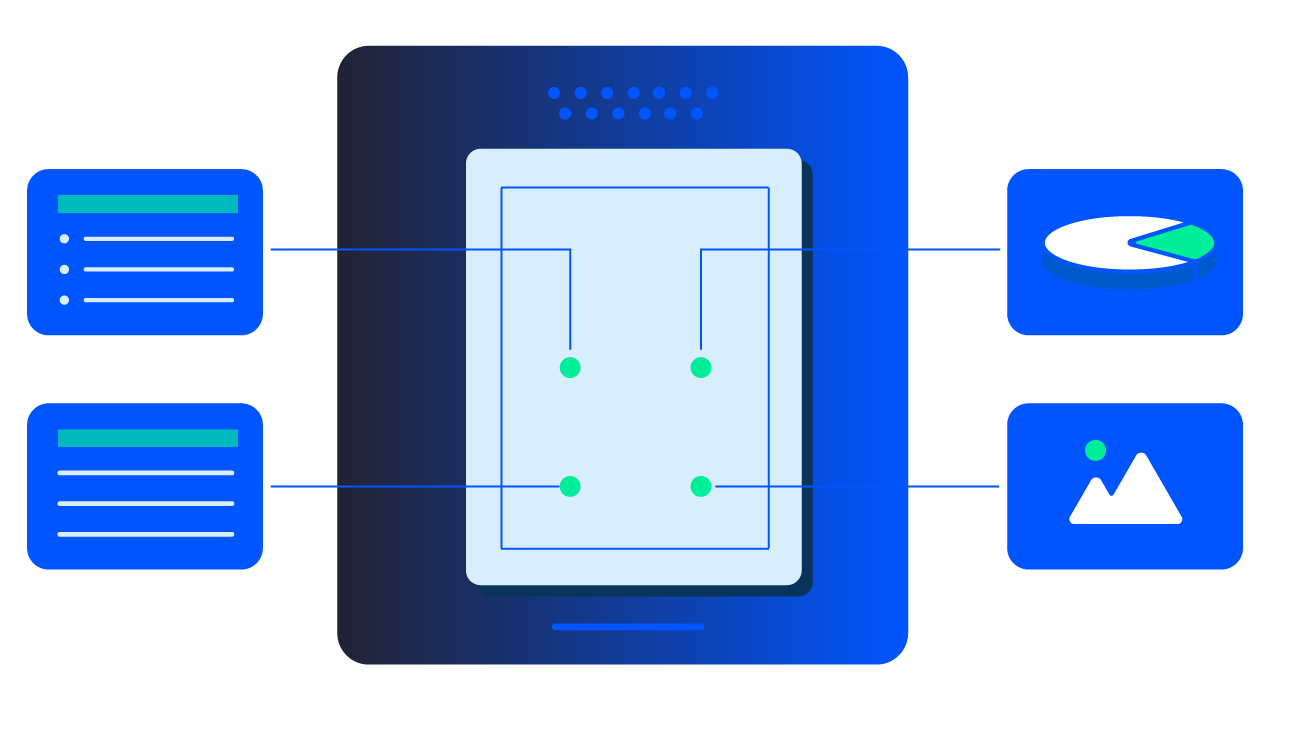
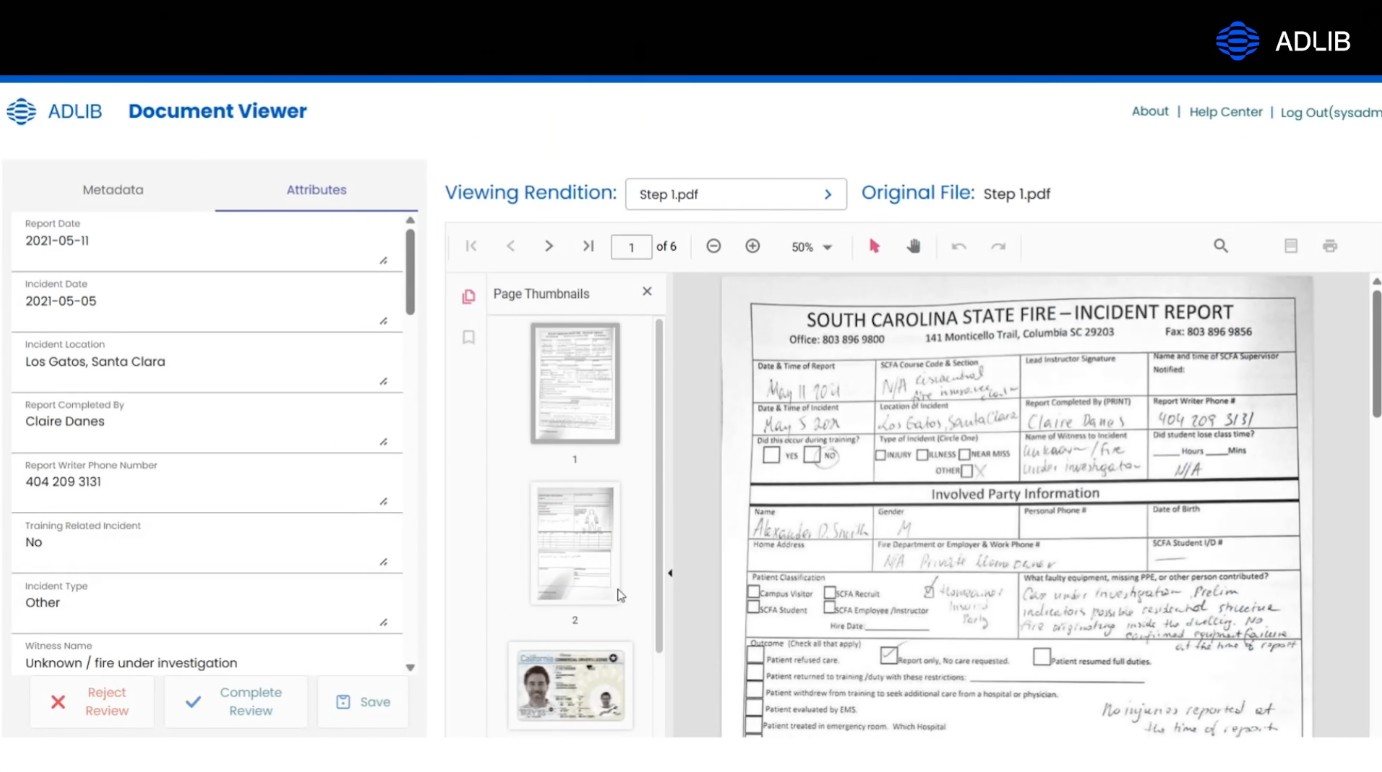
OCR turns an image into text. Adlib's claims intake and validation goes further. It classifies what type of document arrived (FNOL, police report, repair estimate, adjuster note), extracts the relevant data, and checks that data against your business rules before anything moves forward. The output isn't just readable text, it's a validated, audit-ready record.