Respond faster to FOI/ATI requests with accurate, defensible records

Freedom of Information / Access to Information Automation

Respond faster to FOI/ATI requests with accurate, defensible records

By automating intake, conversion, redaction support, and assembly, agencies deliver faster, more consistent responses to FOIA/ATI/ATIP requests while strengthening compliance, transparency, and auditability.

Talk to Sales

Our process, your benefit

Every step in Adlibʼs workflow is designed to deliver accuracy, compliance, and enterprise-ready data—ensuring your most critical documents become precise,auditable, and AI-ready.

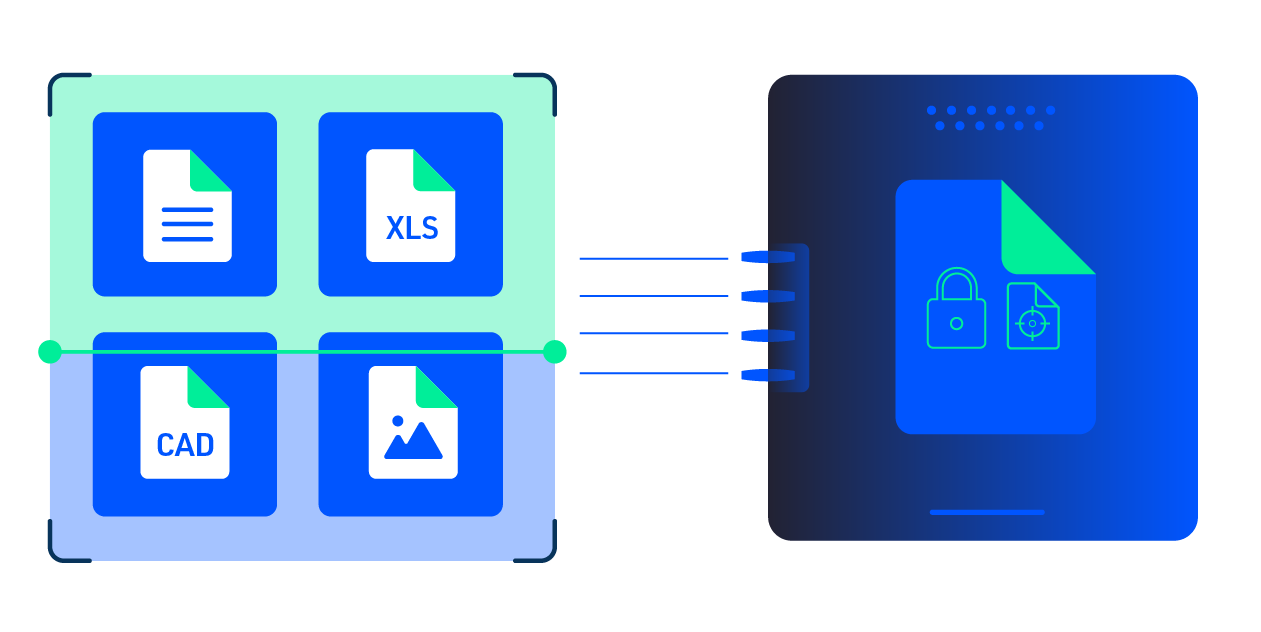
FOI/ATI request document intake

Every step in Adlibʼs workflow is designed to deliver accuracy, compliance, and enterprise-ready data—ensuring your most critical documents become precise,auditable, and AI-ready.

Standardized, preservation-grade response records

Every step in Adlibʼs workflow is designed to deliver accuracy, compliance, and enterprise-ready data—ensuring your most critical documents become precise,auditable, and AI-ready.

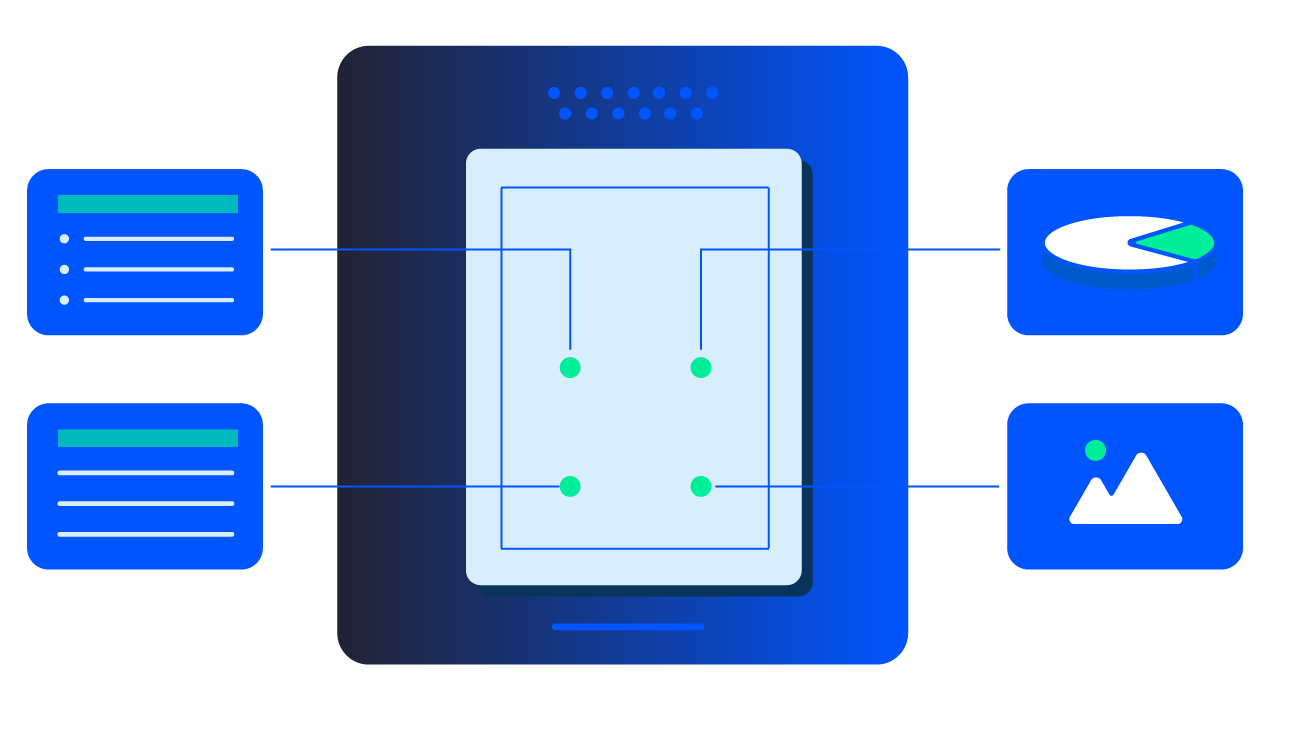
Metadata & scope insights for each request

Every step in Adlibʼs workflow is designed to deliver accuracy, compliance, and enterprise-ready data—ensuring your most critical documents become precise,auditable, and AI-ready.

Complete, navigable FOI/ATI response packages

Every step in Adlibʼs workflow is designed to deliver accuracy, compliance, and enterprise-ready data—ensuring your most critical documents become precise,auditable, and AI-ready.

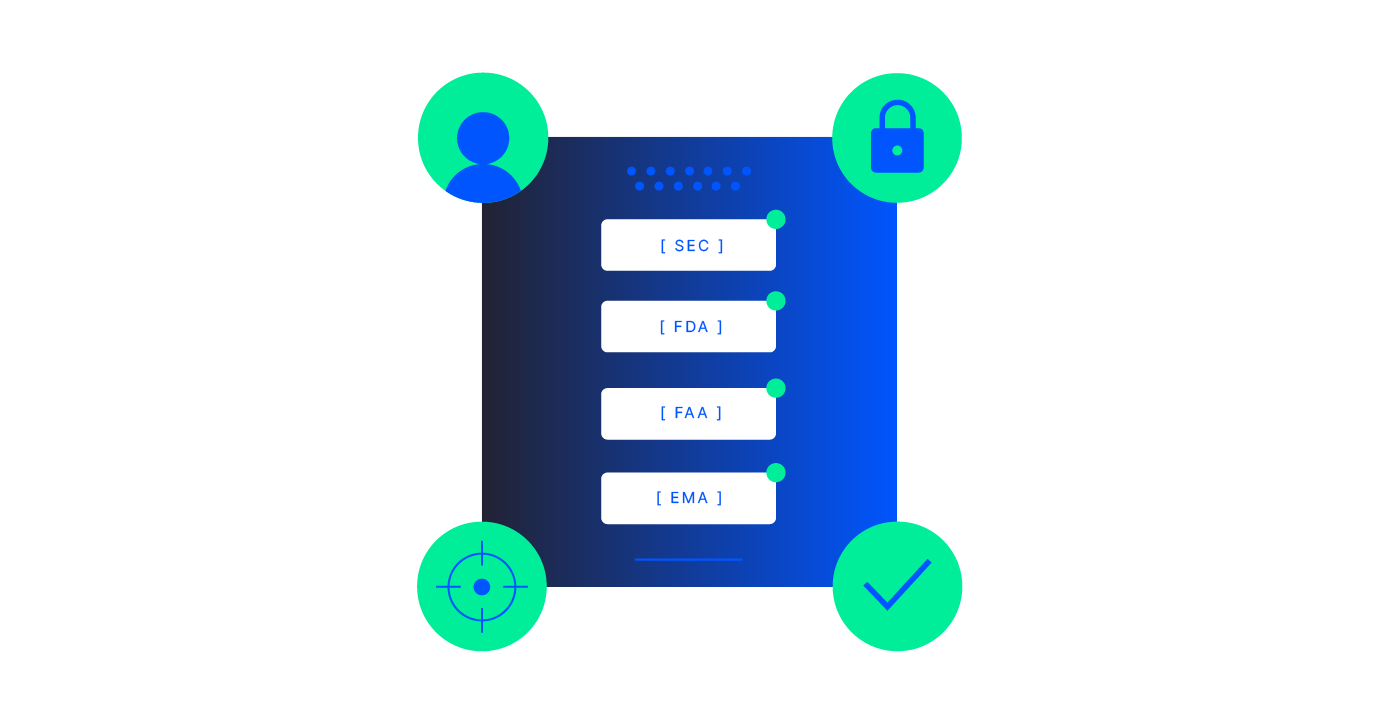
Completeness, sensitivity & compliance checks

Every step in Adlibʼs workflow is designed to deliver accuracy, compliance, and enterprise-ready data—ensuring your most critical documents become precise,auditable, and AI-ready.

Defensible responses, faster turnaround
Cross-System Automation

Cross-System Automation & Interoperability

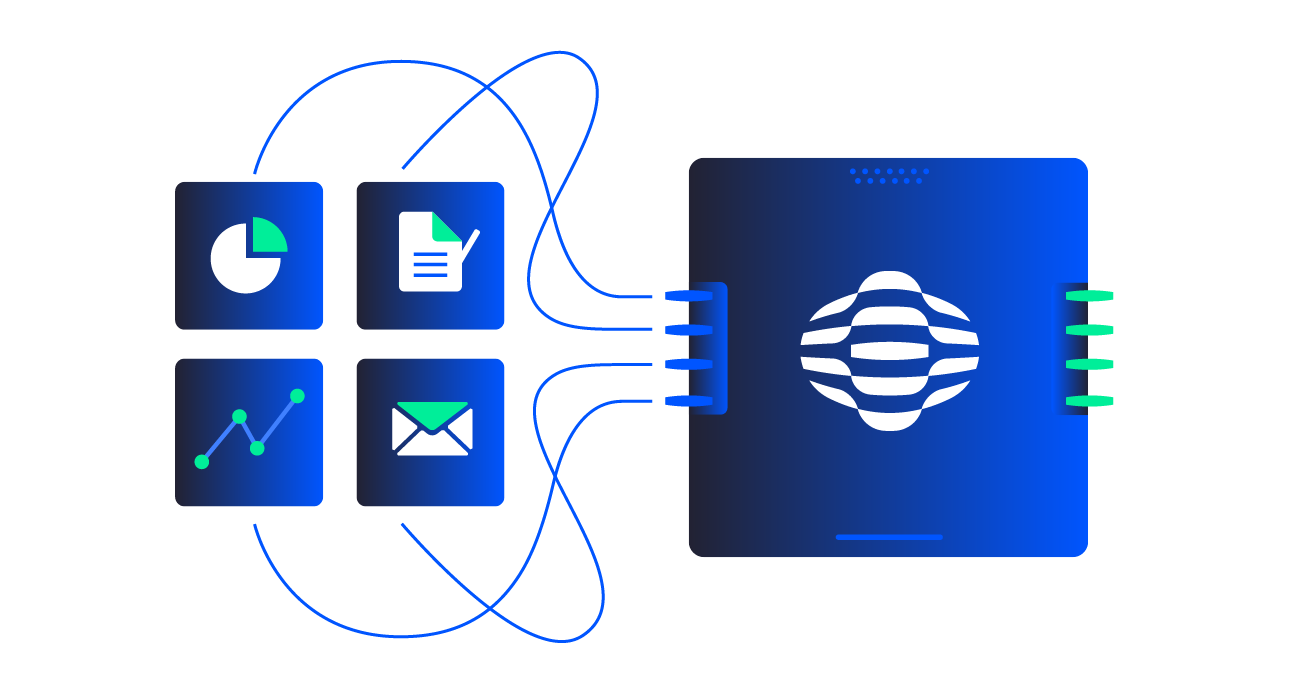
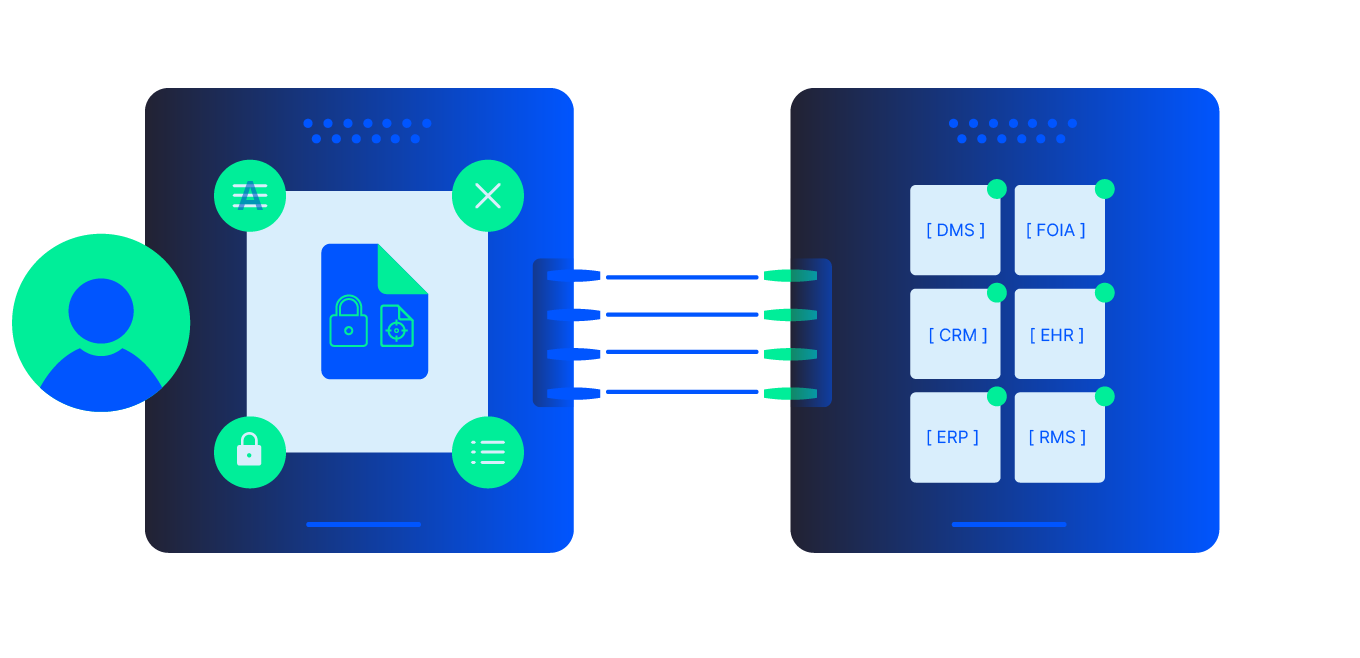
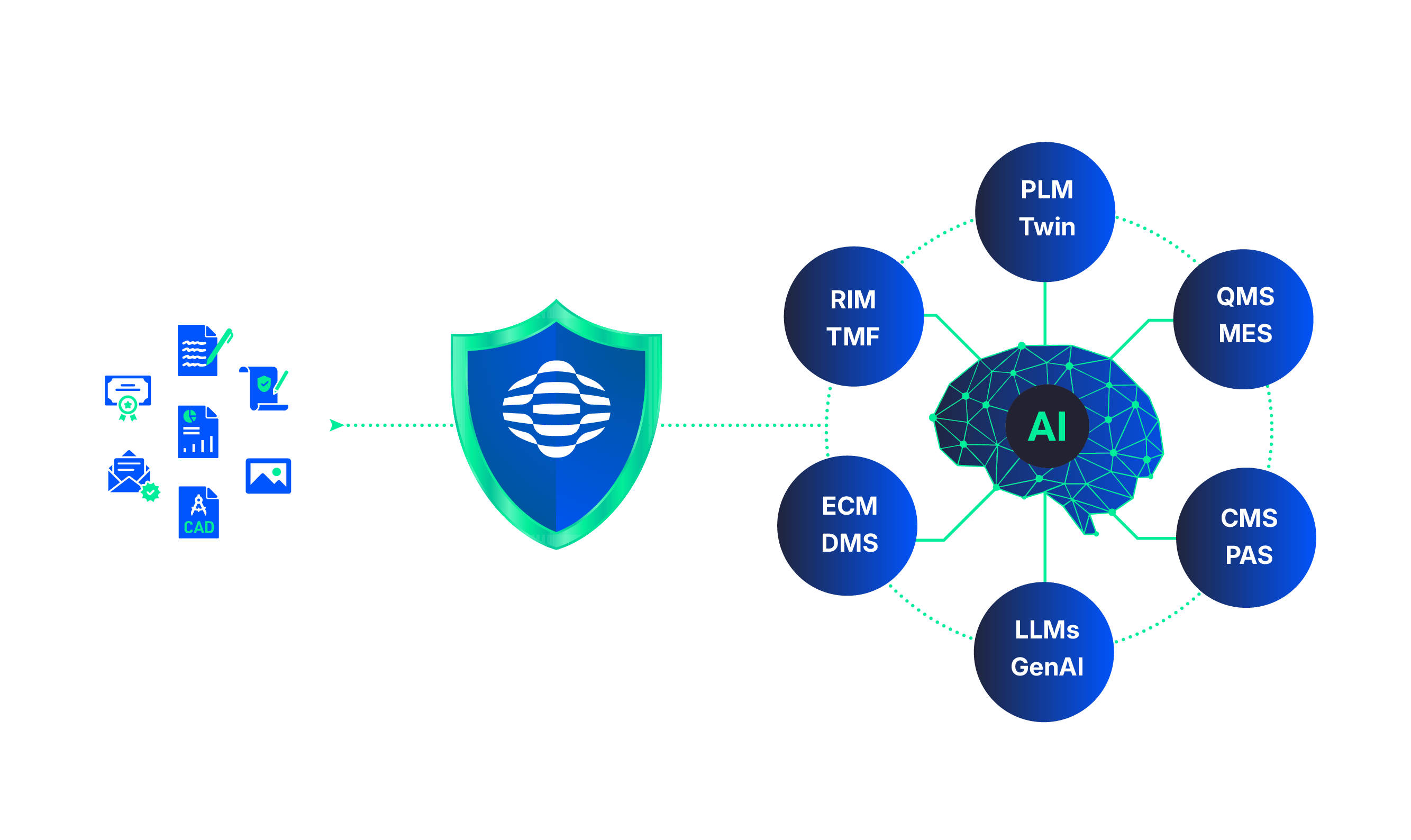
Adlib works across your entire organization’s disparate data sources to read and distill all your critical documentation, from any source. It then automatically converts it all into machine-readable and compliant documents of record, and finally, deposits those standardized documents into a central database in submission- and archive-ready formats.

Other ways we can help

Talk to Sales
Ebook

Reimagining Government Records in the Age of AI

See how government agencies can reduce paper backlogs, improve transparency, and build more auditable, AI-ready records operations.

Read the Report
Ebook

Defensible AI Starts With the Document Accuracy Layer | eGuide

Stop paying the “trust tax” on AI. Learn how a Document Accuracy Layer makes content AI-ready (readable, validated, traceable, and audit-ready) with a practical AI-readiness checklist.

Read the Report
Ebook

Beyond The Model: Models are not the bottleneck. Documents are.

An executive guide to the architectural shift that determines whether your AI program reaches production, or quietly stalls between the demo and the audit.

Read the Report

Frequently asked questions

How does Adlib Software help organizations with compliance and governance?

Adlib Software helps organizations meet compliance and governance requirements by implementing a set of business rules upon ingesting documents across several formats to deliver a “document of record”. These business rules define the creation of a custom header-footer, watermarks and the auto-generation of a table of contents, besides combining multiple formats into a single readable-searchable PDF. The result is an audit ready document that meets compliance and governance requirements. In addition, Adlib Software’s Transform Platform also implements document security and archival features when rendering documents of record to be in compliance with such policies resident within an organization. Finally, it also provides audit trails and reporting capabilities to help organizations track and monitor document activity.

How do I know if my specific use case is a good fit for Adlib?

Your use case is usually a strong fit for Adlib if it checks three boxes:

  1. Document-heavy and multi-format (scans, PDFs, emails, legacy files, CAD),
  2. High-stakes for accuracy and compliance (regulators, auditors, safety, financial risk), and
  3. Currently dependent on manual review or stitching multiple tools together.

If you have workflows like regulatory submissions, inspections, claims, incident reports, FOI/ATI responses, quality and batch records, or KYC and loan packages, Adlib can help you build an accuracy-first, AI-ready pipeline around them. Many organizations start with a single painful workflow, then expand to adjacent use cases once results are proven.

What types of industries benefit from using Adlib Software?

Adlib Software is ideal for industries that generate large volumes of unstructured data that has to be managed to mitigate compliance, operational, audit and regulatory risks. Major industries use that to leverage our capabilities are as follows:

  • Life Sciences, where much of the clinical trial data originates from unstructured sources and has to be managed across regulatory filings and manufacturing
  • Energy, where data on Upstream Assets (Wells) or Downstream Assets (Refineries) originates across CAD/CAM and multiple file formats and must be transformed to enable Asset Lifecycle Information Management
  • Insurance, where claims information originates across email, images and MS-Office file formats and must be managed to drive operational efficiency for Claims Processing
  • Financial Services, where account openings, signatures, and signatory changes, in Retail and Commercial Banking must be OCR’d. In addition, valuation models and investment banking agreements must be captured as “documents of record” for Corporate & Investment Banking
  • Manufacturing and Transportation, where unstructured data must be captured to have records against production and delivery
  • Government and Judiciary Agencies, that require the creation and retention of “documents of record” to meet legal requirements

In addition, Adlib Software is also useful for any organization that needs to manage and analyze large amounts of data in various formats.