Compliant Record Archival

Compliant Record Archival

Maximize accessibility and compliance

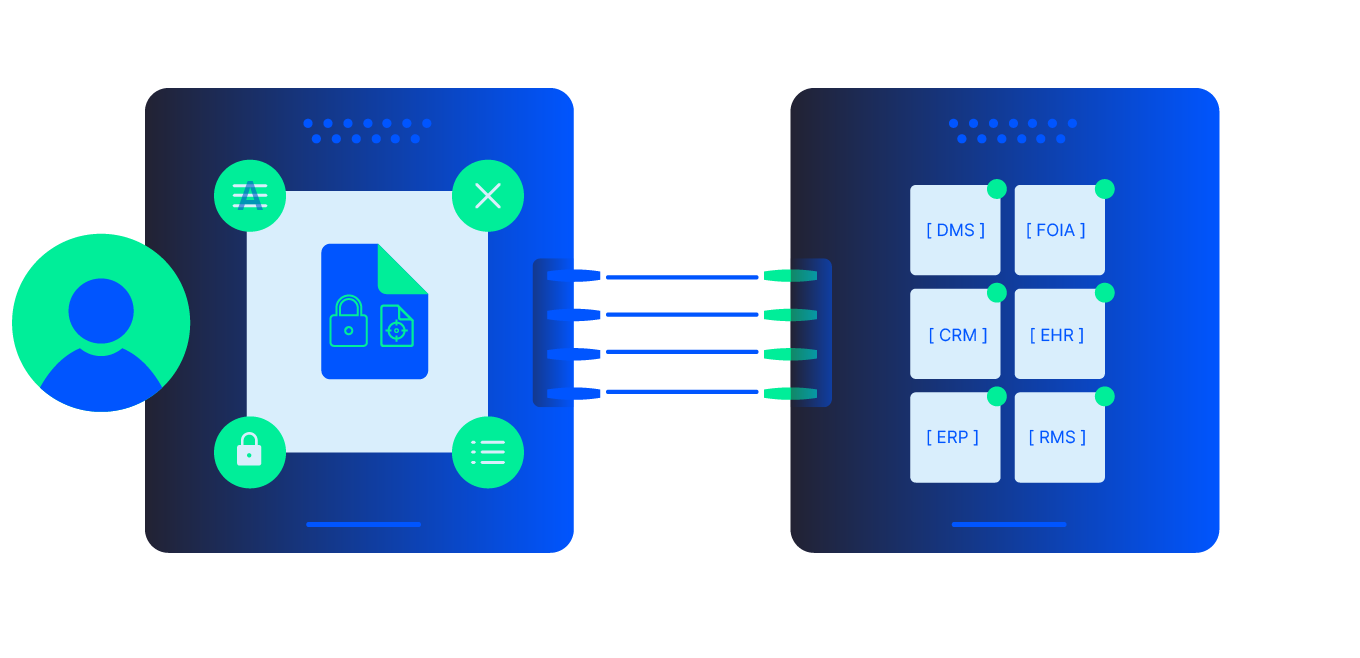
Adlib automates the creation of PDF/PDF-A documents of record with embedded metadata and audit trails, making archives easier to search, easier to trust, and ready for audits or legal review.

Talk to Sales

Our process, your benefit

Every step in Adlibʼs workflow is designed to deliver accuracy, compliance, and enterprise-ready data—ensuring your most critical documents become precise,auditable, and AI-ready.

Streamlined documentation collection

Every step in Adlibʼs workflow is designed to deliver accuracy, compliance, and enterprise-ready data—ensuring your most critical documents become precise,auditable, and AI-ready.

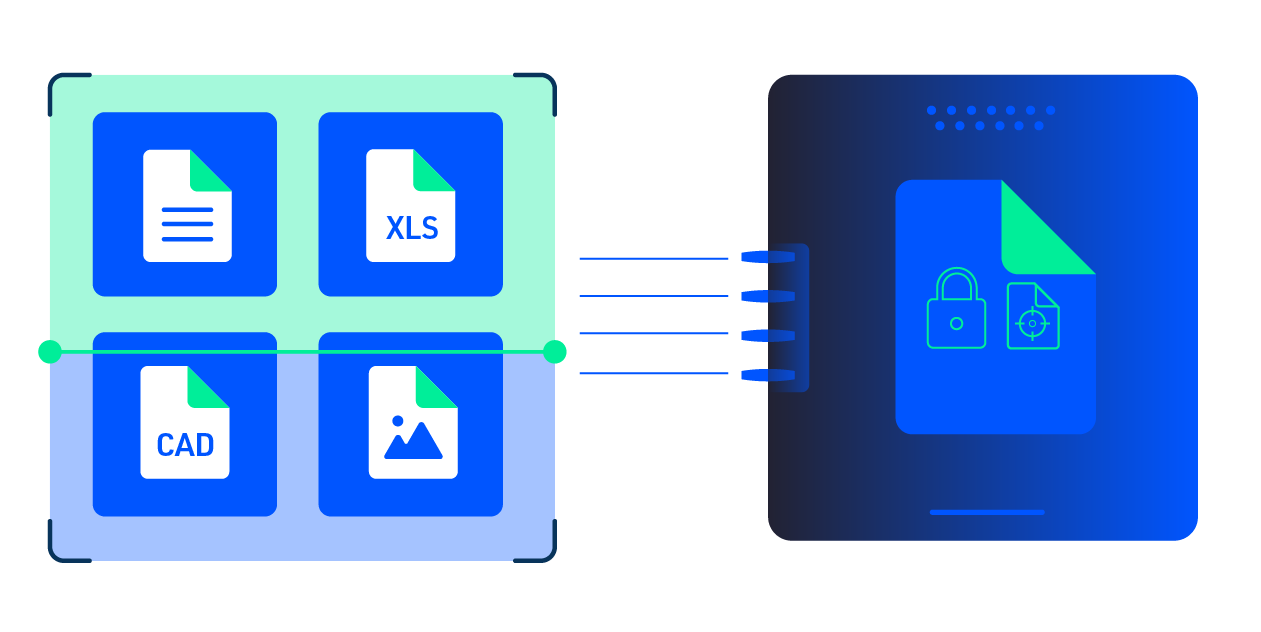
Standardized, preservation-ready records

Every step in Adlibʼs workflow is designed to deliver accuracy, compliance, and enterprise-ready data—ensuring your most critical documents become precise,auditable, and AI-ready.

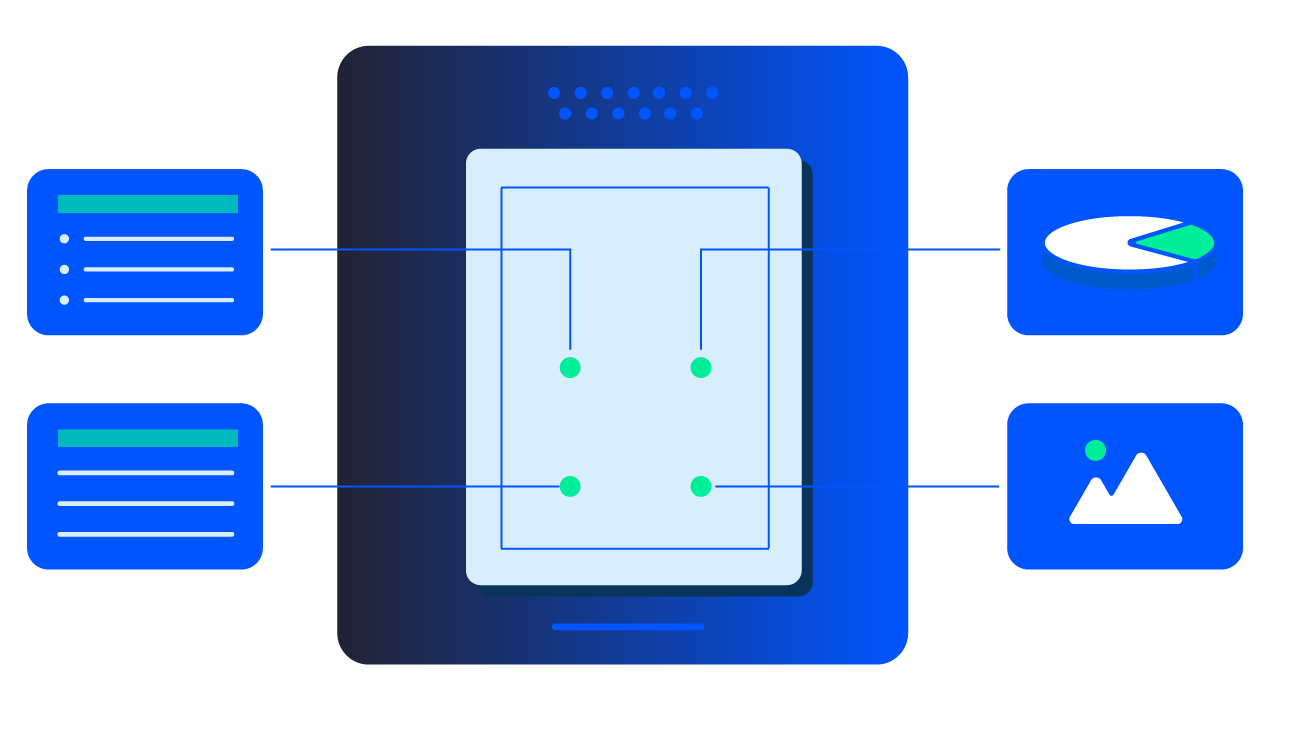
Data insights for policy and access

Every step in Adlibʼs workflow is designed to deliver accuracy, compliance, and enterprise-ready data—ensuring your most critical documents become precise,auditable, and AI-ready.

Accessible documentation organization

Every step in Adlibʼs workflow is designed to deliver accuracy, compliance, and enterprise-ready data—ensuring your most critical documents become precise,auditable, and AI-ready.

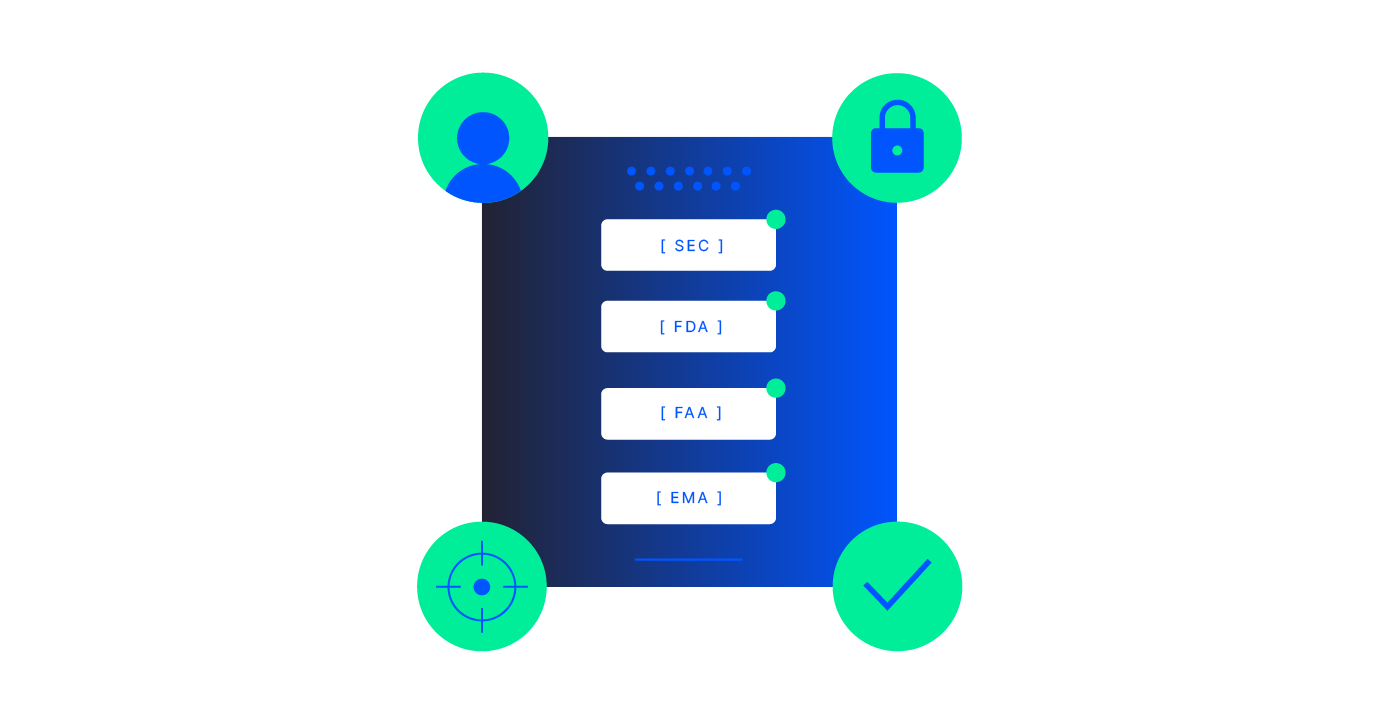
Compliance validation

Every step in Adlibʼs workflow is designed to deliver accuracy, compliance, and enterprise-ready data—ensuring your most critical documents become precise,auditable, and AI-ready.

Efficient, compliant access & review
Cross-System Automation

Cross-System Automation & Interoperability

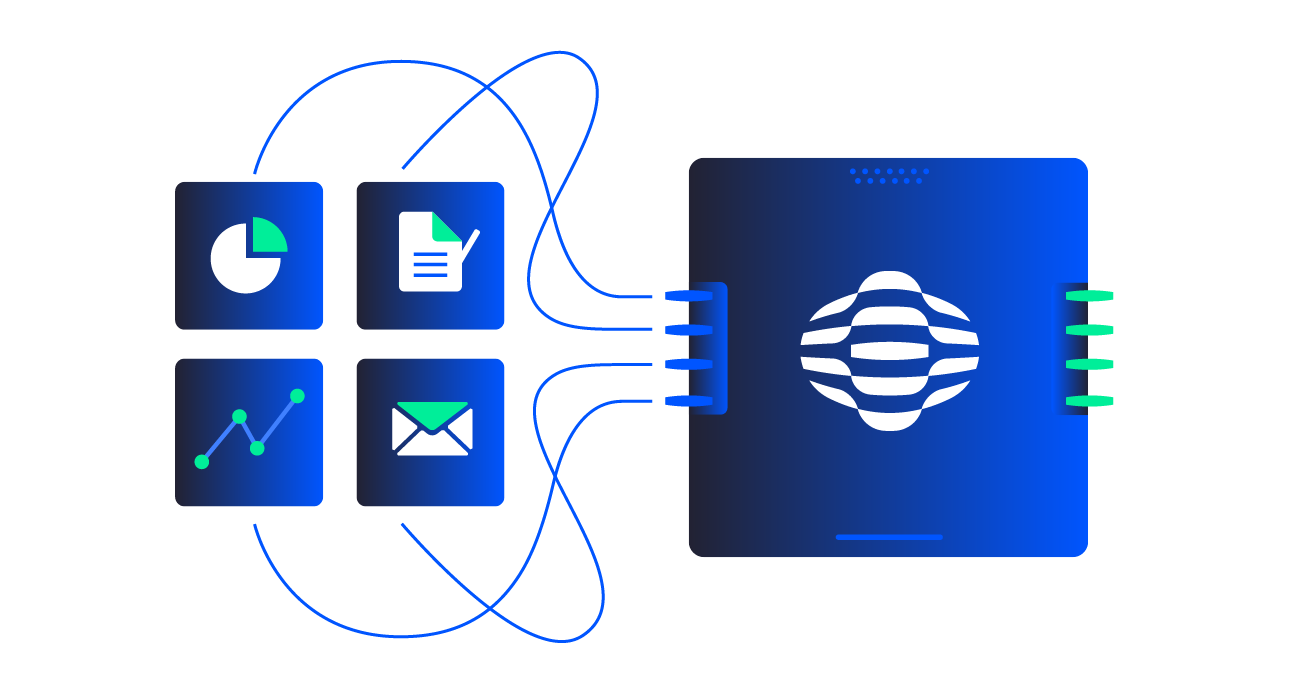
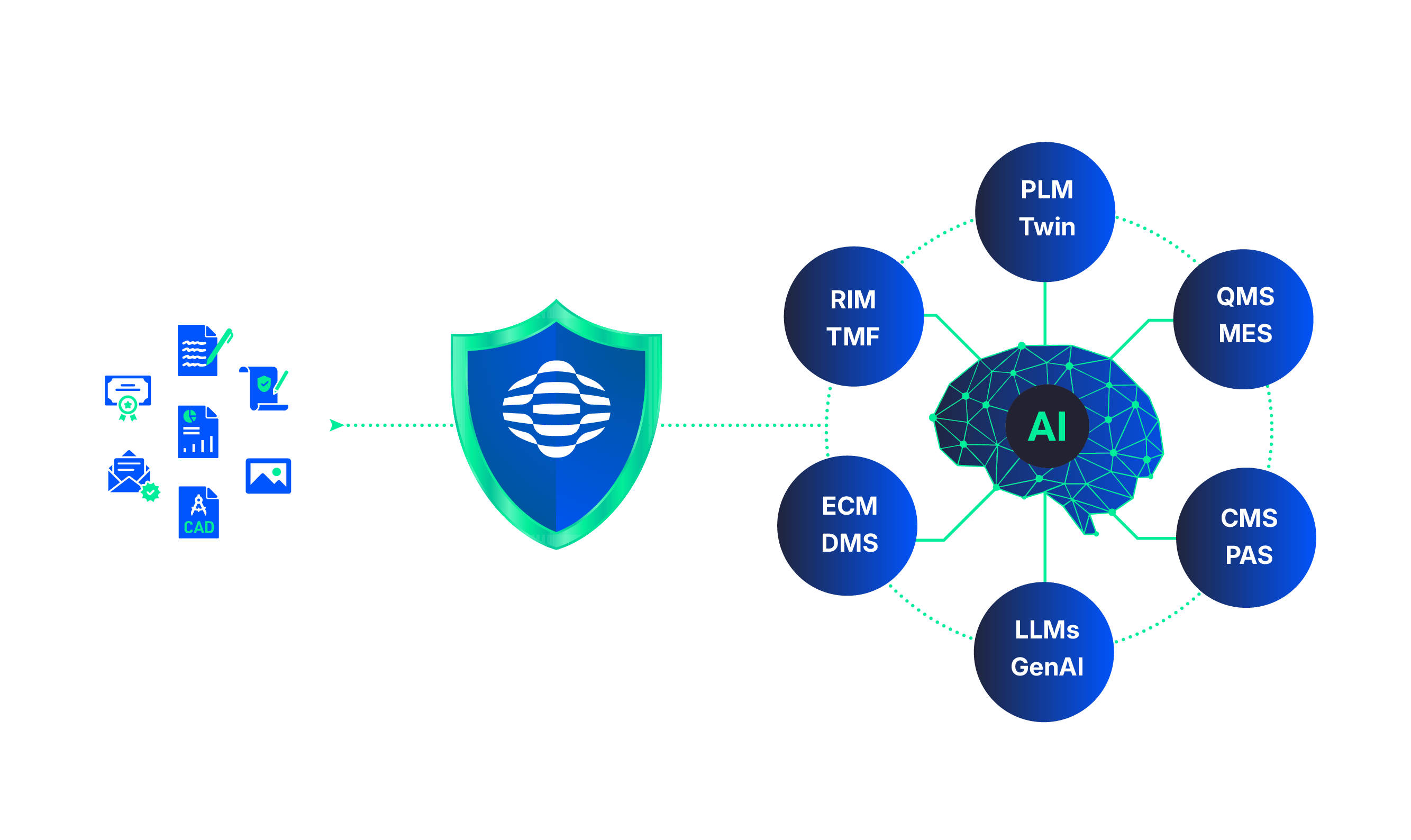
Adlib connects to every system where unstructured data originates, including ECM/DMS, email, shared drives, line-of-business applications, and legacy repositories. It reads and standardizes content from any source, in any format, then scores and validates each document against your business rules with Adlib's Trust Score before handing it off. That validated, defensible output is what feeds the AI-enabled workflow orchestrators and automation systems running downstream, and it's why straight-through-processing rates go up: the systems doing the automating are finally working from data they don't have to double-check.

Whatever system the data comes from, and whatever system acts on it, Adlib sits in between. The Accuracy & Trust layer every workflow can rely on.
Other ways we can help

Talk to Sales
Ebook

Reimagining Government Records in the Age of AI

See how government agencies can reduce paper backlogs, improve transparency, and build more auditable, AI-ready records operations.

Read the Report
Ebook

Defensible AI Starts With the Document Accuracy Layer | eGuide

Stop paying the “trust tax” on AI. Learn how a Document Accuracy Layer makes content AI-ready (readable, validated, traceable, and audit-ready) with a practical AI-readiness checklist.

Read the Report
Ebook

Beyond The Model: Models are not the bottleneck. Documents are.

An executive guide to the architectural shift that determines whether your AI program reaches production, or quietly stalls between the demo and the audit.

Read the Report

Frequently asked questions

Can Adlib migrate existing legacy archives, or only new incoming records?

Both. Adlib can process a backlog of existing scanned or legacy-format records into preservation-grade output, as well as new records as they're created, so agencies aren't stuck choosing between fixing the past and keeping up with the present.

How does Adlib handle retention schedules and legal holds?

Adlib attaches metadata at the point of capture that your retention and records systems use to apply lifecycle rules, and preserves that metadata trail through to disposition, so retention timers, legal holds, and disposal decisions are backed by evidence, not manual reconstruction.

How does Adlib support NARA, FISMA, and other recordkeeping mandates?

Adlib renders documents of record into preservation-grade PDF/PDF-A with embedded, traceable metadata, and keeps a full audit trail of what was validated and when, so retention schedules, legal holds, and compliance reviews are backed by evidence, not manual reconstruction.

What makes a document "archival-ready" versus just scanned or digitized?

Digitizing a document just makes an image of it. Archival-ready means the output is preservation-grade PDF/PDF-A, with a searchable text layer and embedded metadata, no dependency on proprietary or soon-to-be-obsolete formats, so it's still readable and findable decades from now.

Why PDF/PDF-A specifically, and how does that protect long-term access?

PDF/A is an ISO-standardized, self-contained format built for long-term preservation. It doesn't depend on external fonts, codecs, or software that may not exist in 20 years. A record archived today in PDF/A stays accessible regardless of what changes around it.