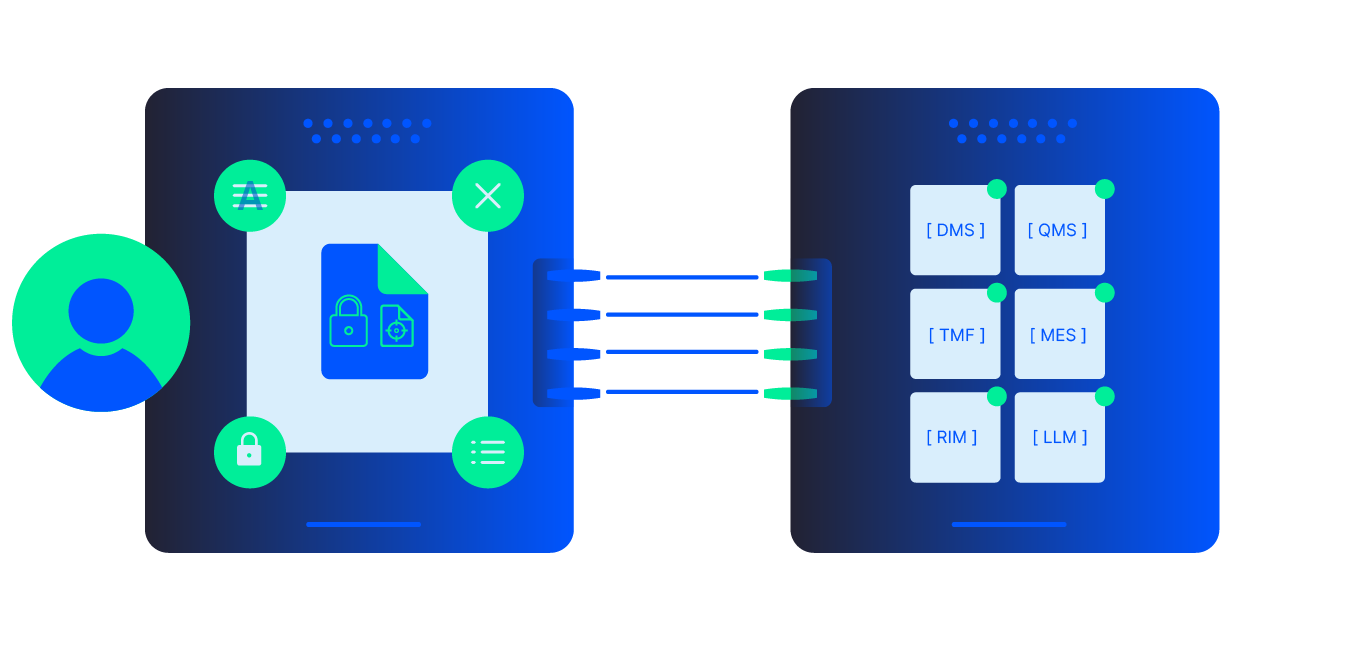
Adlib captures, classifies, and routes every piece of inbound and outbound regulatory correspondence, such as information requests, deficiency letters, complete response letters, inspection findings, into a single audit-ready workflow that integrates with your RIM and QMS, helping you respond faster and eliminate missed commitments.
Every step in Adlibʼs workflow is designed to deliver accuracy, compliance, and enterprise-ready data—ensuring your most critical documents become precise,auditable, and AI-ready.

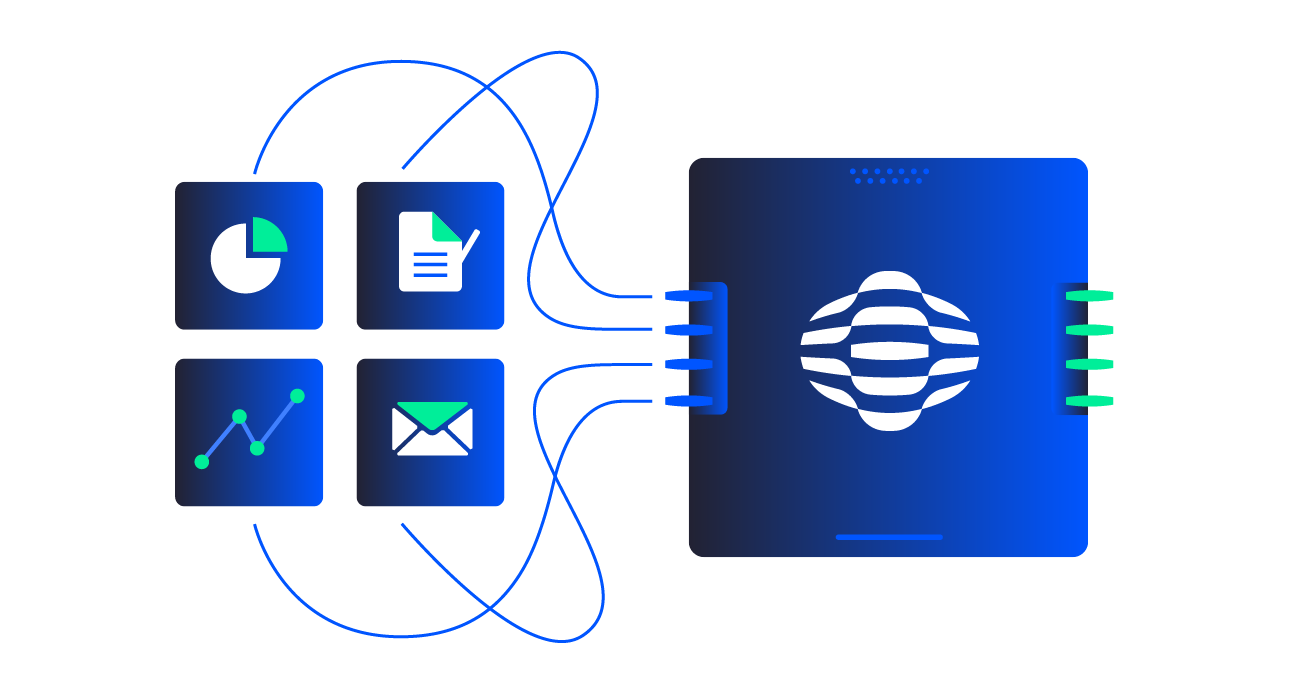
Regulatory correspondence doesn't arrive on one channel or in one format. Information requests land in shared inboxes, portal notifications, scanned mail, and even meeting minutes typed up after the fact. Adlib's intake layer watches these channels automatically, recognizes what it's looking at, and classifies each item by correspondence type, sender authority, and product or study, routing it to the right reviewer before a human ever has to open the file. Nothing sits in an inbox waiting to be noticed.
Every step in Adlibʼs workflow is designed to deliver accuracy, compliance, and enterprise-ready data—ensuring your most critical documents become precise,auditable, and AI-ready.

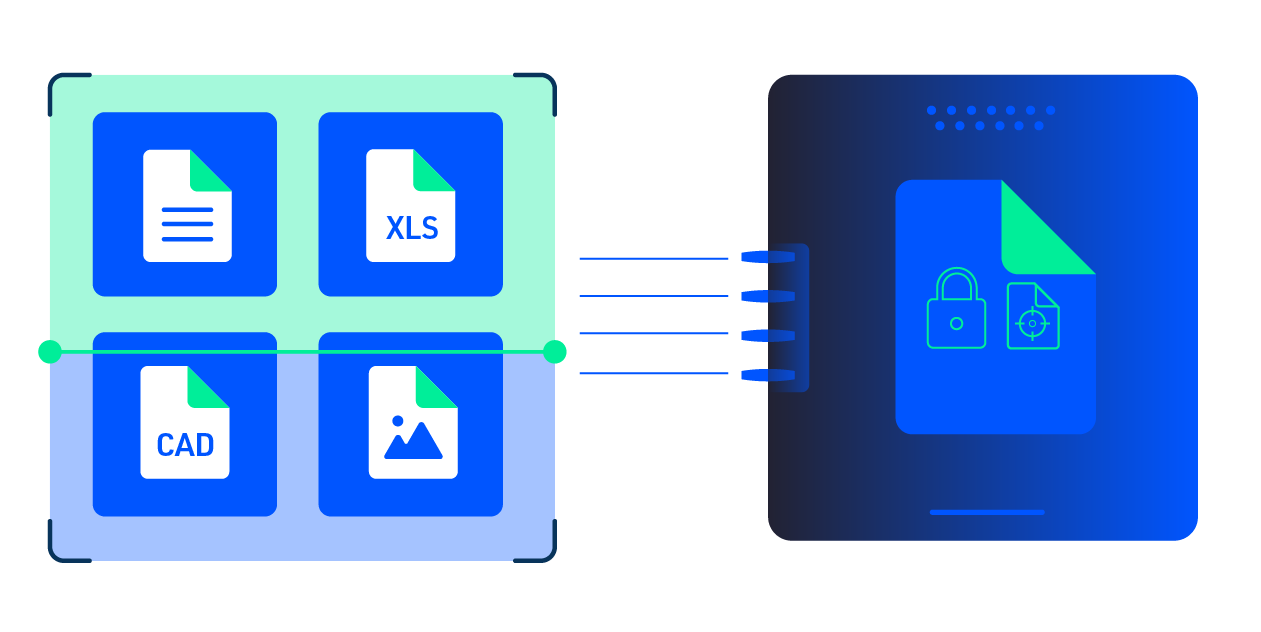
Instead of PDFs, scanned letters, and emails living in inconsistent formats across shared drives, Adlib converts every piece of correspondence into a uniform, technically compliant document of record, ready to sit alongside the submission or study file it relates to. Standardization removes the formatting friction that causes version confusion later and keeps every letter legible for both reviewers and downstream AI tools.
Every step in Adlibʼs workflow is designed to deliver accuracy, compliance, and enterprise-ready data—ensuring your most critical documents become precise,auditable, and AI-ready.

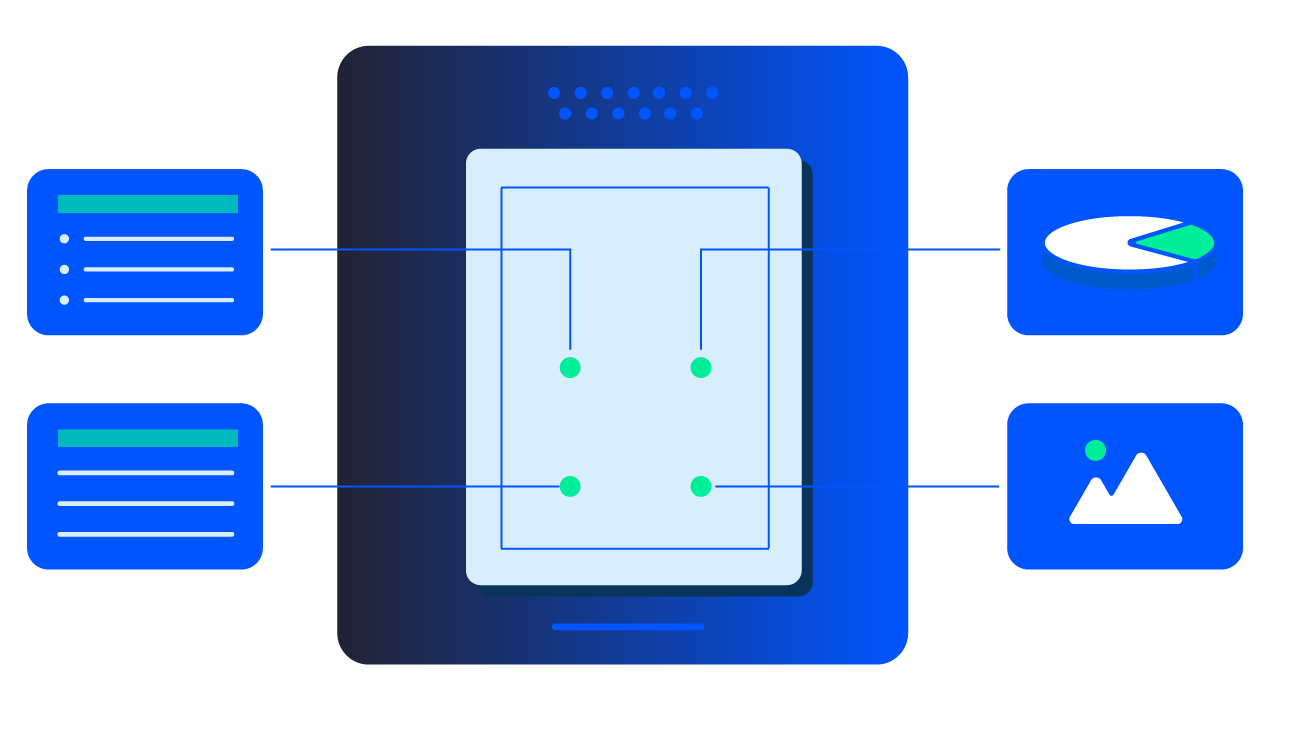
Adlib identifies and captures the details that actually drive your response: due dates, requestor and authority, referenced application or study numbers, question or observation references, and commitment language. This structured data populates your tracking log automatically, so regulatory affairs teams can see at a glance what's outstanding, what's overdue, and what's been answered, without re-reading every letter to find the deadline.
Every step in Adlibʼs workflow is designed to deliver accuracy, compliance, and enterprise-ready data—ensuring your most critical documents become precise,auditable, and AI-ready.

The platform assembles the source documents, extracted data, and supporting evidence needed to build a response, organized in the structure your team already uses for information requests, deficiency responses, or CRL responses. Components are named and ordered consistently, so what reaches your regulatory writers is already complete and ready to draft against, cutting the time spent hunting for the right attachment or prior correspondence thread.
Every step in Adlibʼs workflow is designed to deliver accuracy, compliance, and enterprise-ready data—ensuring your most critical documents become precise,auditable, and AI-ready.

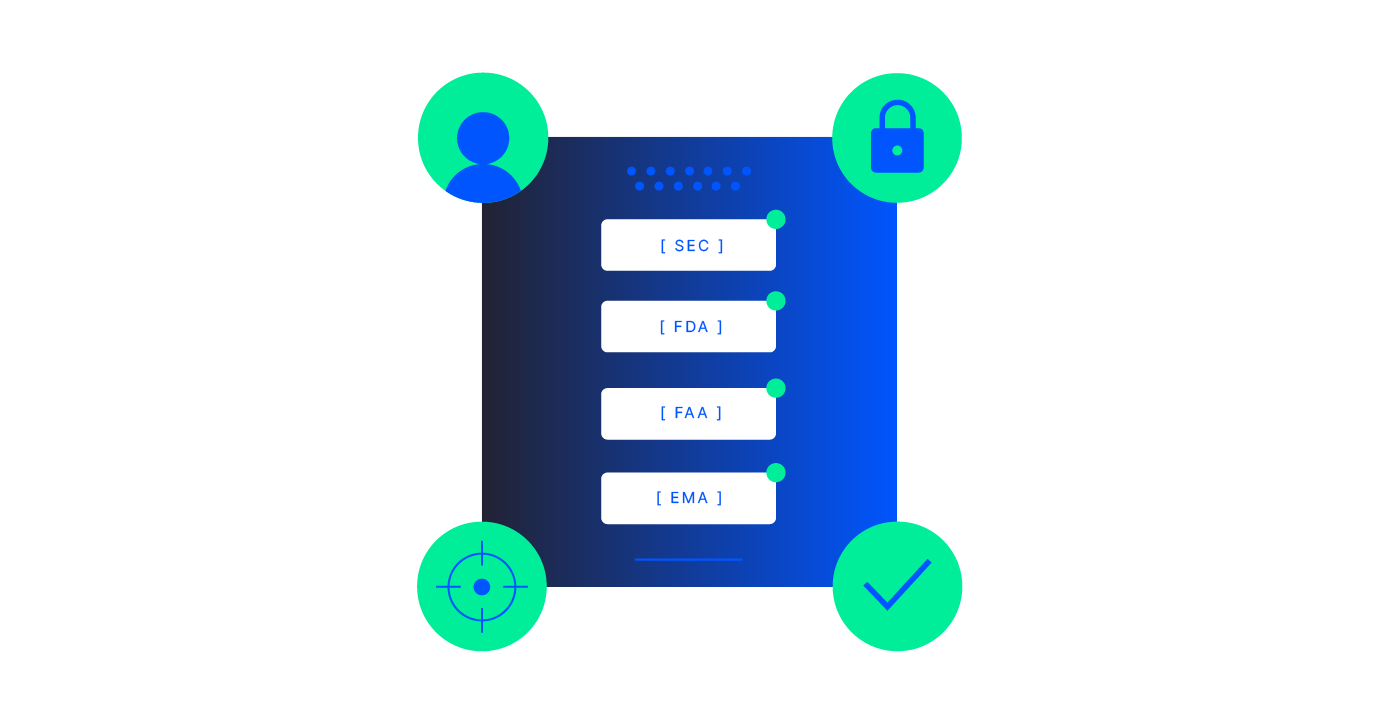
Before a response goes out the door, Adlib runs automated checks on completeness, formatting, and required components: is every question addressed, are referenced documents attached, does the response match the format the agency expects. These checks catch gaps before they become a second round of questions, reducing the risk of an incomplete response or a missed commitment reaching FDA, EMA, or another authority.
Every step in Adlibʼs workflow is designed to deliver accuracy, compliance, and enterprise-ready data—ensuring your most critical documents become precise,auditable, and AI-ready.

Validated correspondence and its full audit trail are delivered into your RIM, QMS, and archival systems in the format they require, with due dates, response status, and commitment tracking intact. The same automation supports the full correspondence lifecycle (new inquiries, follow-ups, and closeout) so your team always knows what's due, what's sent, and what's proven.

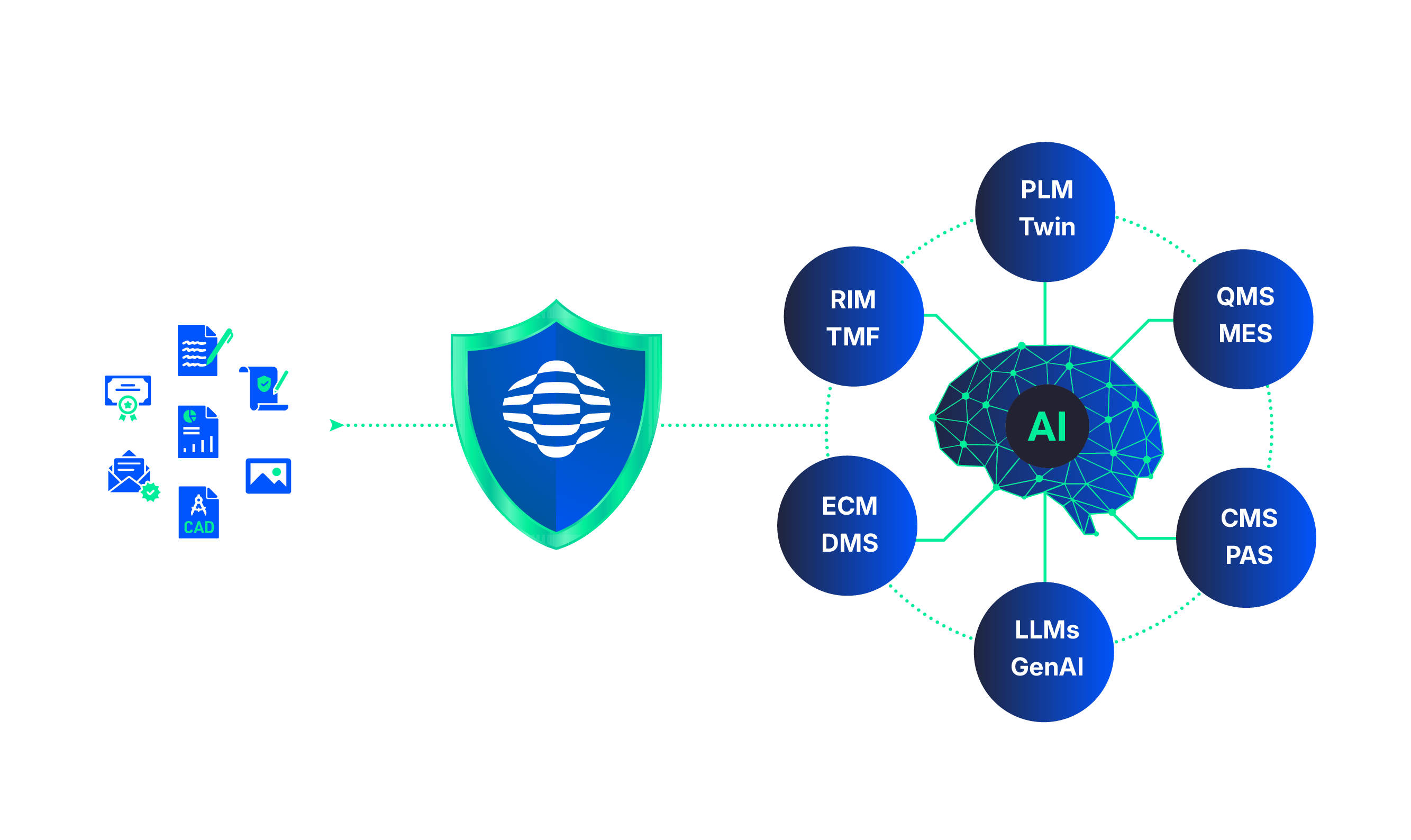
Adlib connects to every system where unstructured data originates, including ECM/DMS, email, shared drives, line-of-business applications, and legacy repositories. It reads and standardizes content from any source, in any format, then scores and validates each document against your business rules with Adlib's Trust Score before handing it off. That validated, defensible output is what feeds the AI-enabled workflow orchestrators and automation systems running downstream, and it's why straight-through-processing rates go up: the systems doing the automating are finally working from data they don't have to double-check.
Whatever system the data comes from, and whatever system acts on it, Adlib sits in between. The Accuracy & Trust layer every workflow can rely on.
Adlib standardizes and merges large dossiers, runs automated PDF and formatting checks, and assembles submission-ready packages that integrate with RIM and QMS, helping you cut preparation time by ~50% and reduce rejection and rework risk.

Download Adlib's free guide to AI in life sciences. Learn why AI programs stall in regulated industries, how to build a defensible AI architecture, and what your team needs to know before your next submission.

Combine life-sciences-native, agentic intake with an Accuracy & Trust Layer to make regulatory correspondence automation fast, compliant, and inspection-ready.

Standardize, validate, and scale your regulated content so Veeva delivers faster submissions, cleaner audits, and AI you can trust.
Both. Intake, classification, and tracking happen automatically; on the response side, Adlib assembles the supporting documents and data your writers need in the right structure, and runs a completeness check before the response goes out, the actual regulatory writing stays with your team.
No. Automated classification and routing gets each item to the right reviewer faster; it doesn't remove the reviewer. Low-confidence or unusual items are flagged for review rather than passed through silently, so people stay in the loop on anything that needs judgment.
Adlib is built for mixed, messy input, not just structured forms. Text is extracted and validated, not just recognized, so inconsistent formats don't turn into inconsistent data downstream.
Outputs are built to be traceable back to the source page or field they came from, not generated free-form. If the system can't point to where an answer came from, that's treated as a gap to flag, not a result to pass along.
Any written exchange with a health authority tied to a product, study, or facility: information requests, deficiency letters, complete response letters, inspection observations (including Form 483s and warning letters), meeting requests and minutes, and general agency queries. If it carries a deadline or a commitment, it belongs in this workflow.